Photography
“She did not own professional equipment or large format cameras. Instead, she always carried a small portable digital camera to capture situations that she found appealing and interesting. She once told me that she had been taking photographs for a while but hadn’t considered them as elements of her/their artistic practice, simply because that was not something what was expected from her/them. However, following Horvatić’s death (1997) she purposely started building a body of work based on photography.”
Excerpt from Miha Colner, “The woman with a photo camera”, in “Breda’s Lesson”, Trieste Contemporanea and Juliet, Trieste 2018.
Arrivals
2000
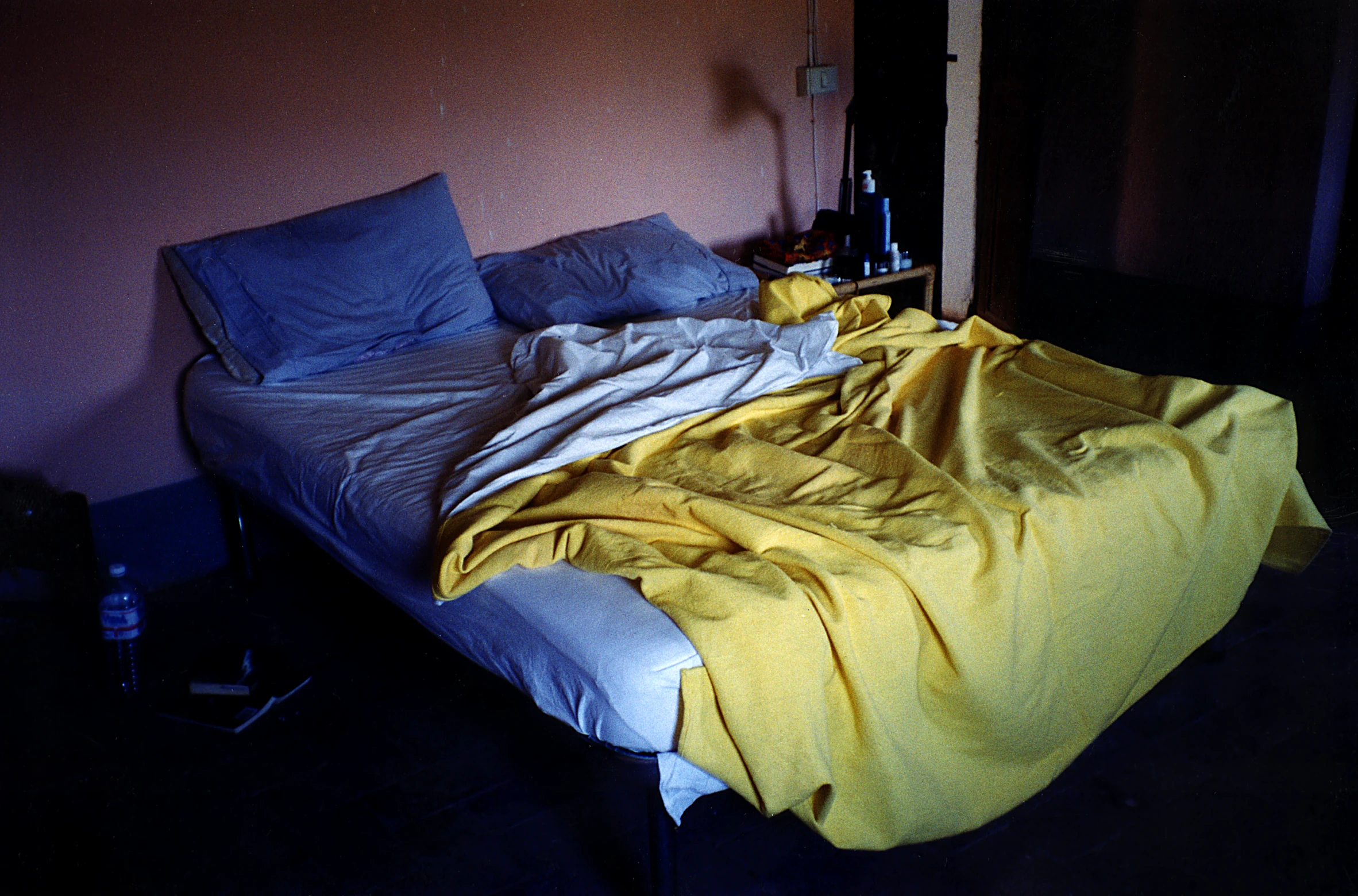
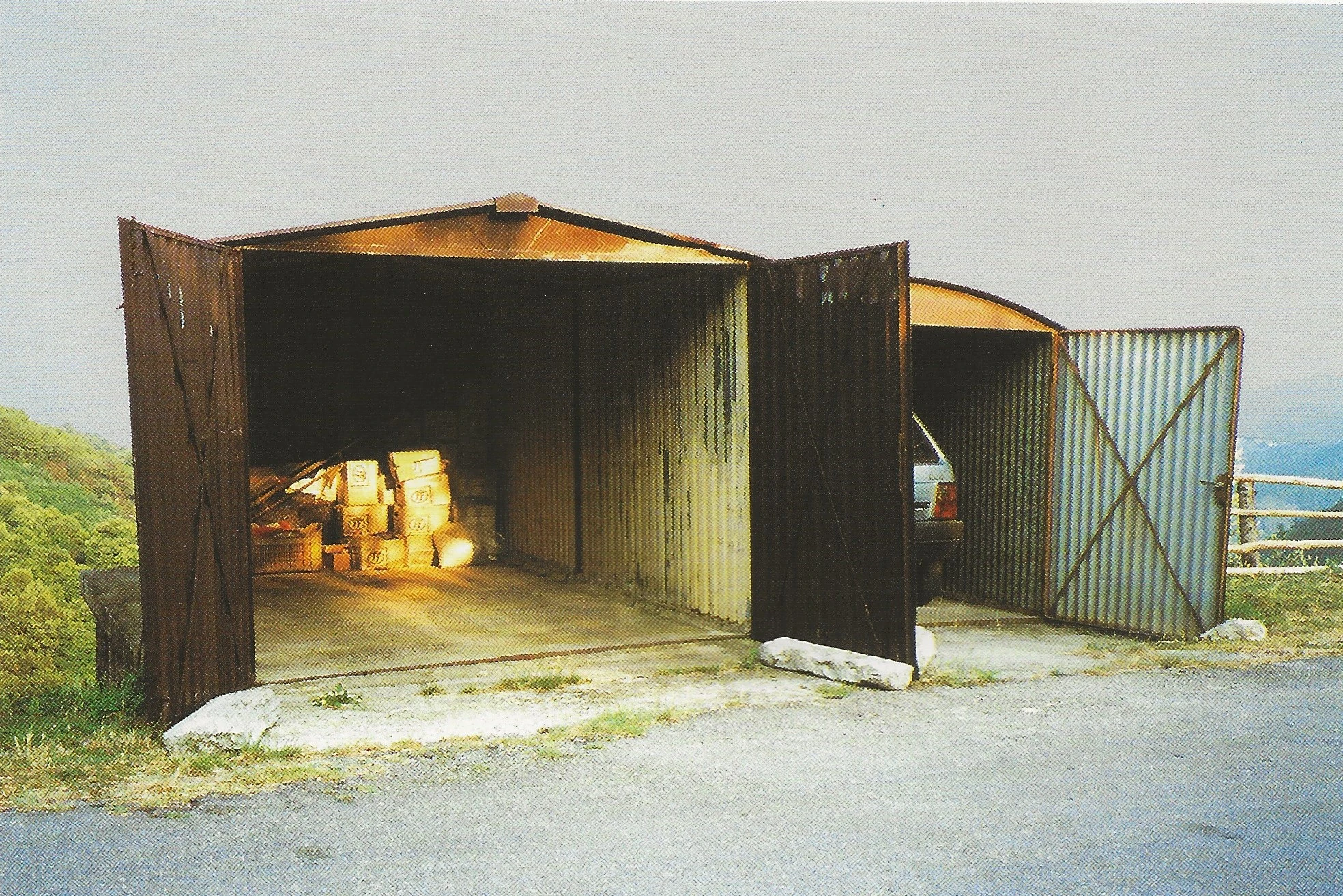
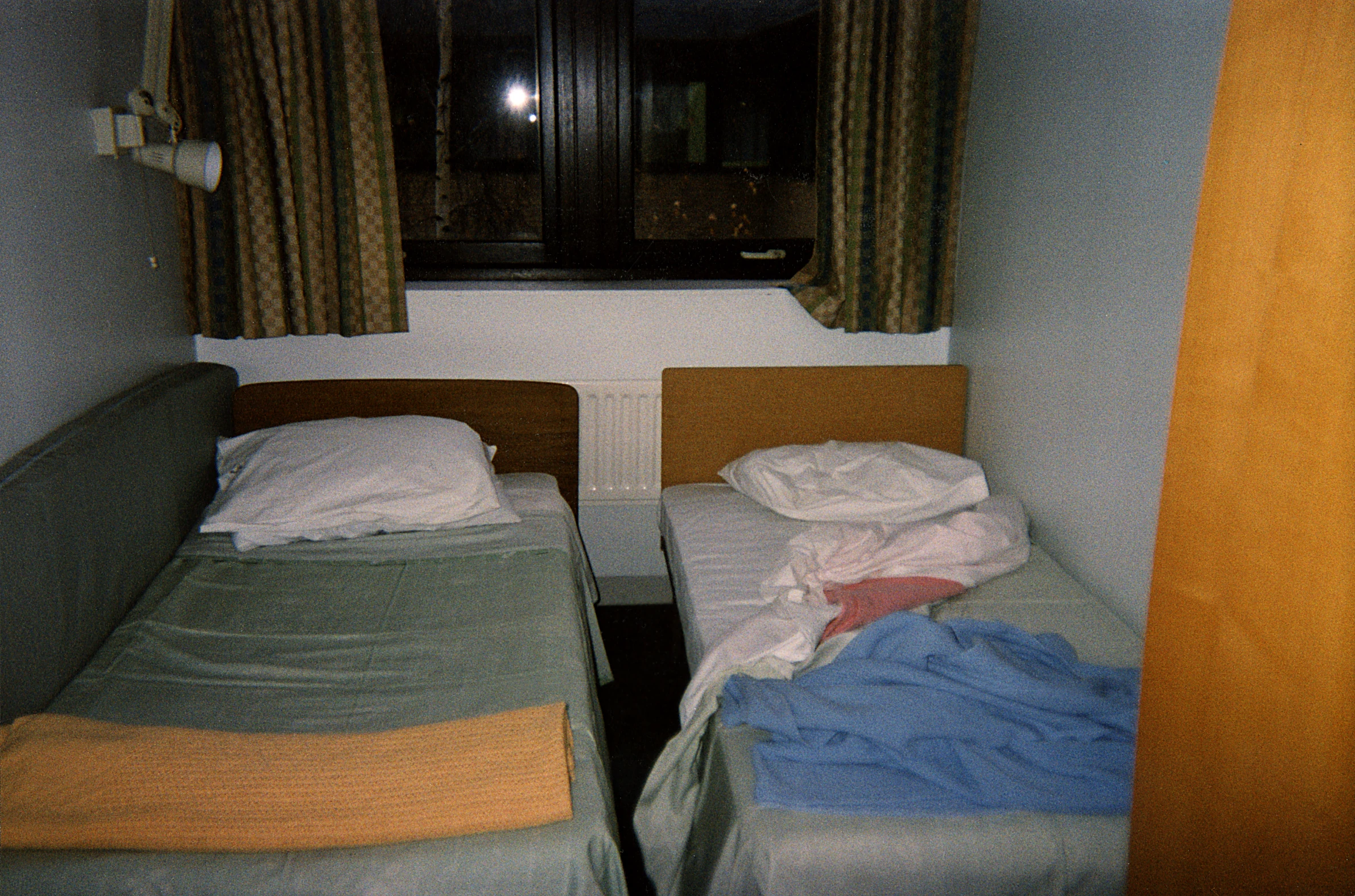
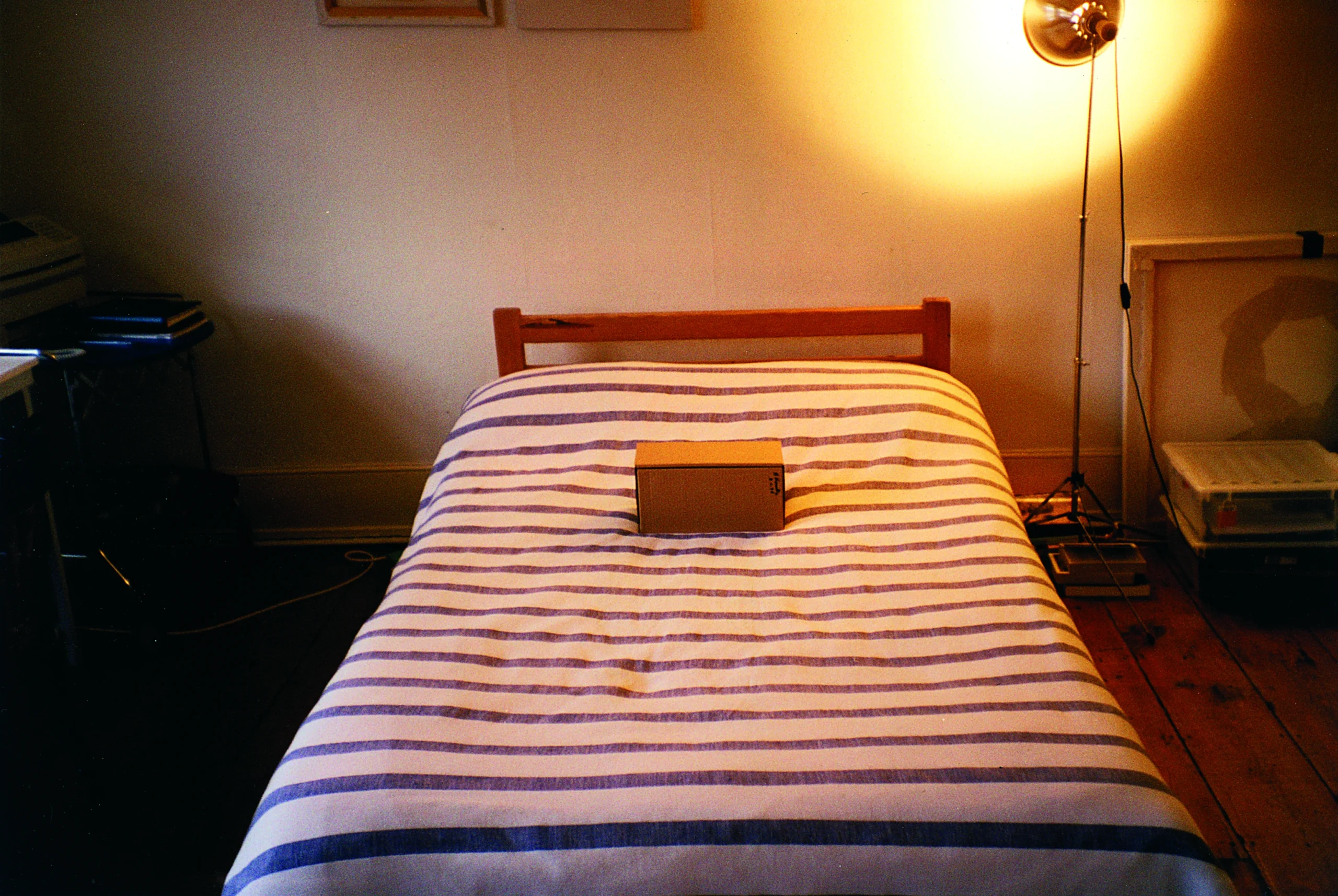
Arrivals is a series of eight sets of four photographs evoking in an uncomplicated and explicit way of absence felt by those inhabiting the space between an unbroken longing and a broken sense of belonging. Each set of photographs depict a picture of a bed, a window in bedroom and a picture of scene from a window. These photo-works are literally a story of an escape, of a journey and of arrivals. The photographs have been selected from hundreds of images taken by Beban during the period 1991-1997, a particularly significant time in the life of the artist, marked by tragic events on a personal level.
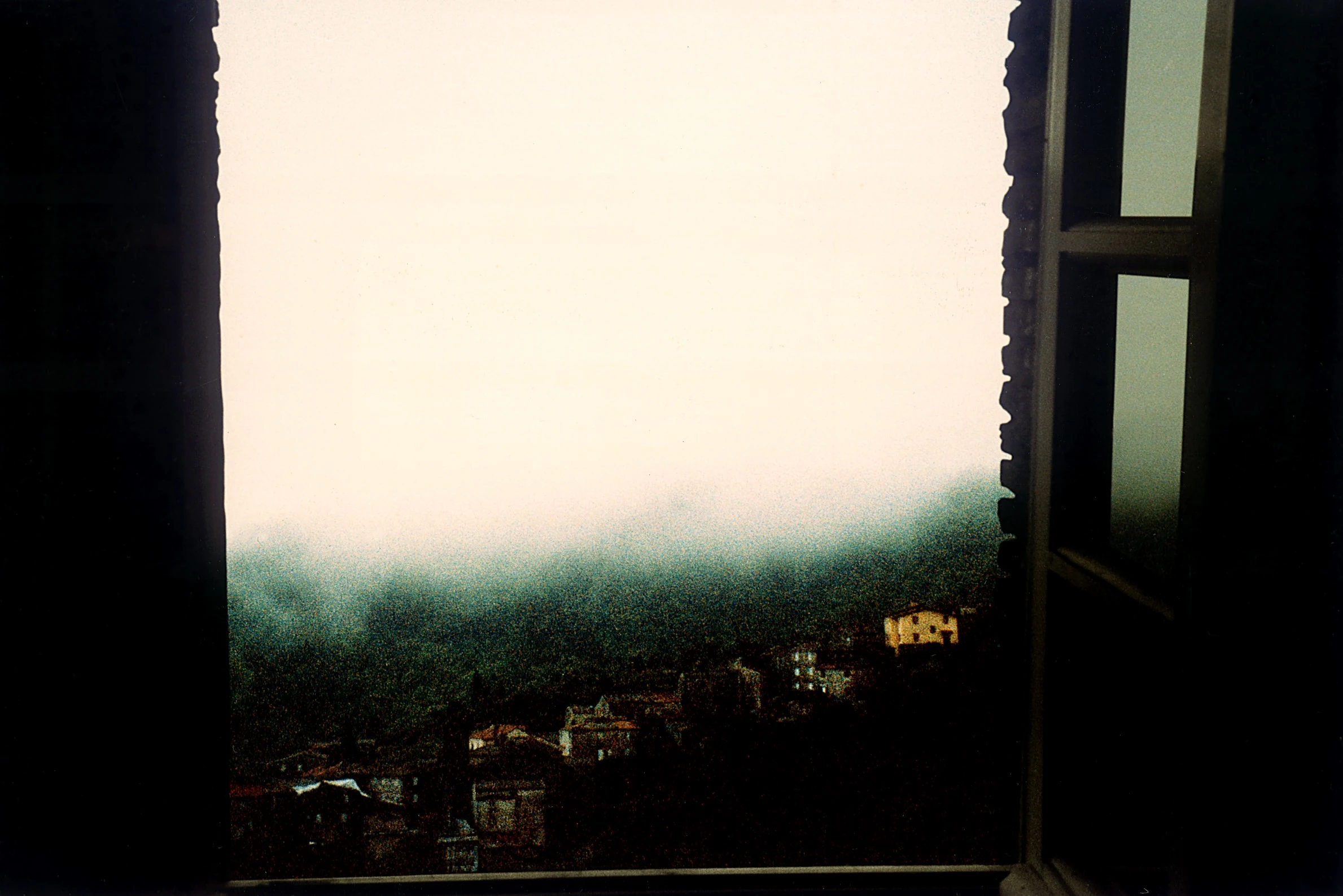
This series of photographs is part of the I Lay on the Bed Waiting for his Heart to Stop Beating series.
Format: C-type prints
Series of 32 photographs
Locations: Fibbiano Montanino, Italy; Toronto, Canada; Sao Paolo, Brazil; Dresden, Germany; Liverpool, UK.
An Exile Encounters Baby Jesus
2000
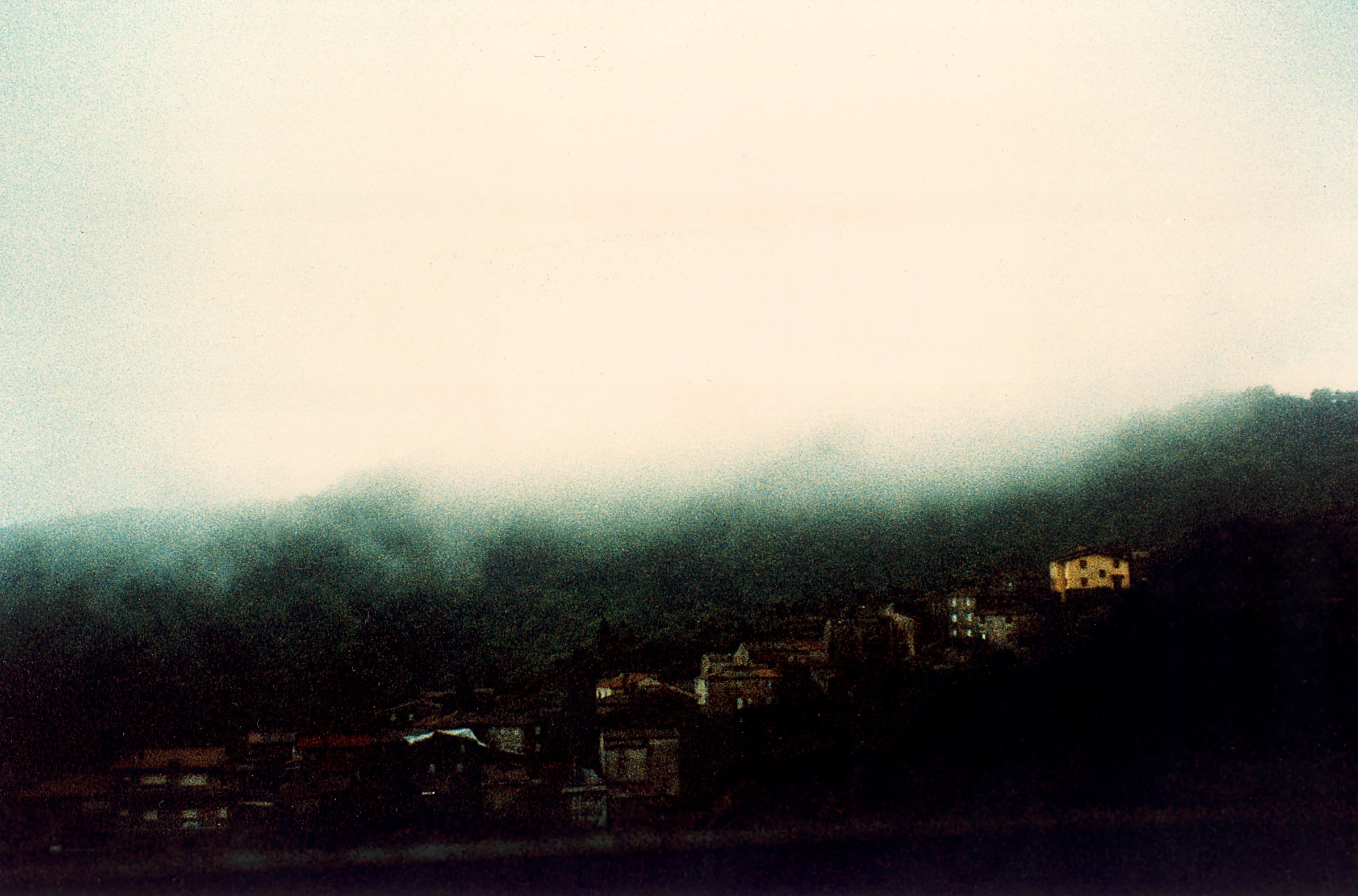
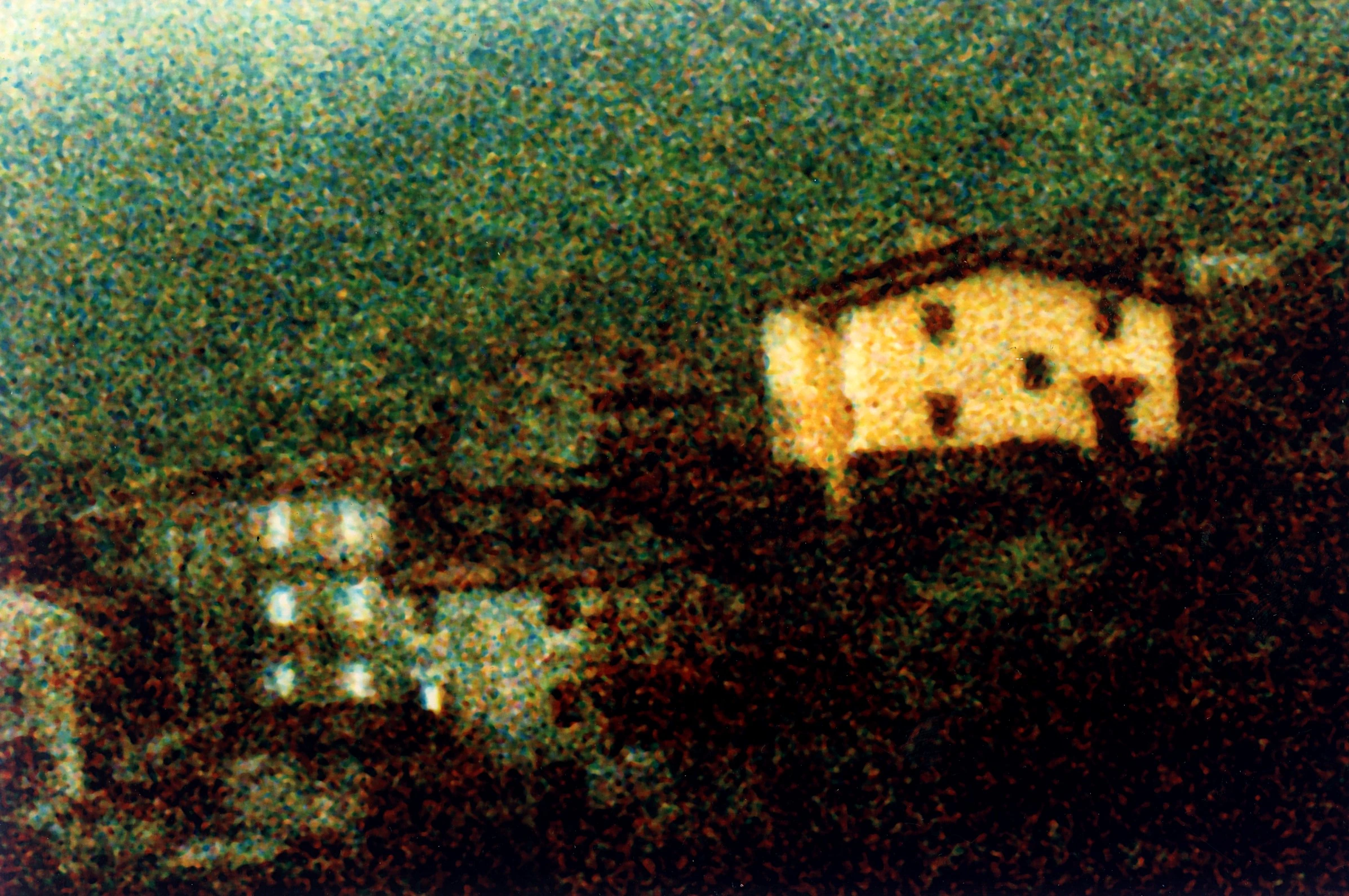
An Exile Encounters Baby Jesus is a series of six photographs taken in Fibbiano Montanino, Tuscany, in September 1991. After the war broke in former Yugoslavia Beban left Croatia between bomb raids wit one suitcase and no money, smuggled to Italy and offered shelter in a village in the hills of Tuscany.
“Our neighbour in the village would come every morning bringing food. I would open the door, my eyes swollen from a night spent crying. One morning, at sunrise, I went for a walk. Untouched by the beauty of the village, I found myself taking photographs of the sheds built by local farmers. When I came back, our neighbour was waiting for me. She said that the pain I was going through was God’s way of telling me I had encountered baby Jesus”. (quote from the catalogue Still, 2000).
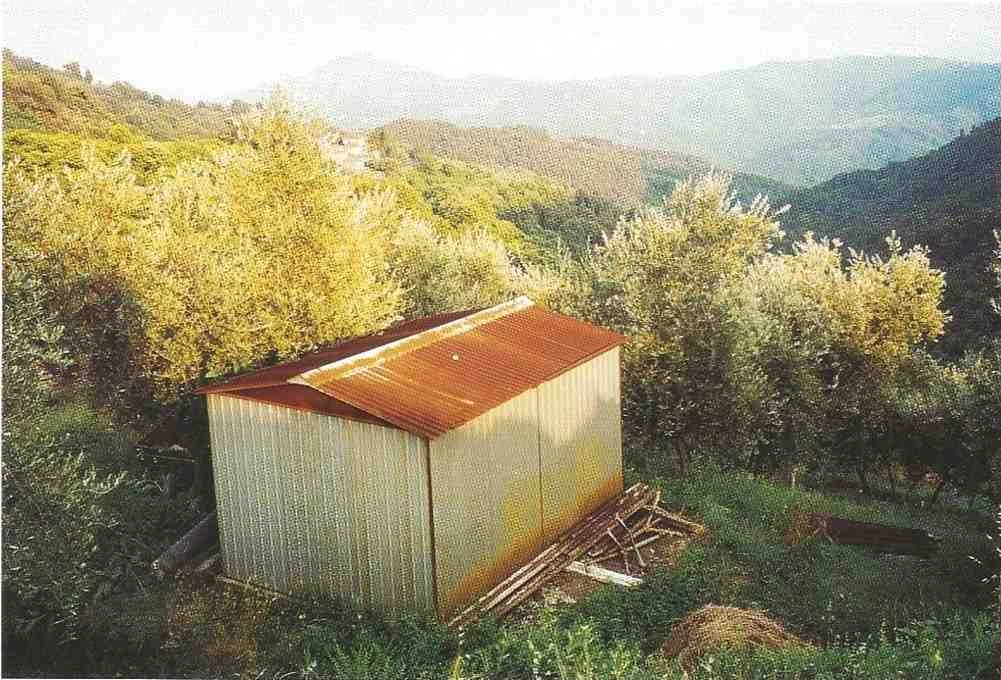
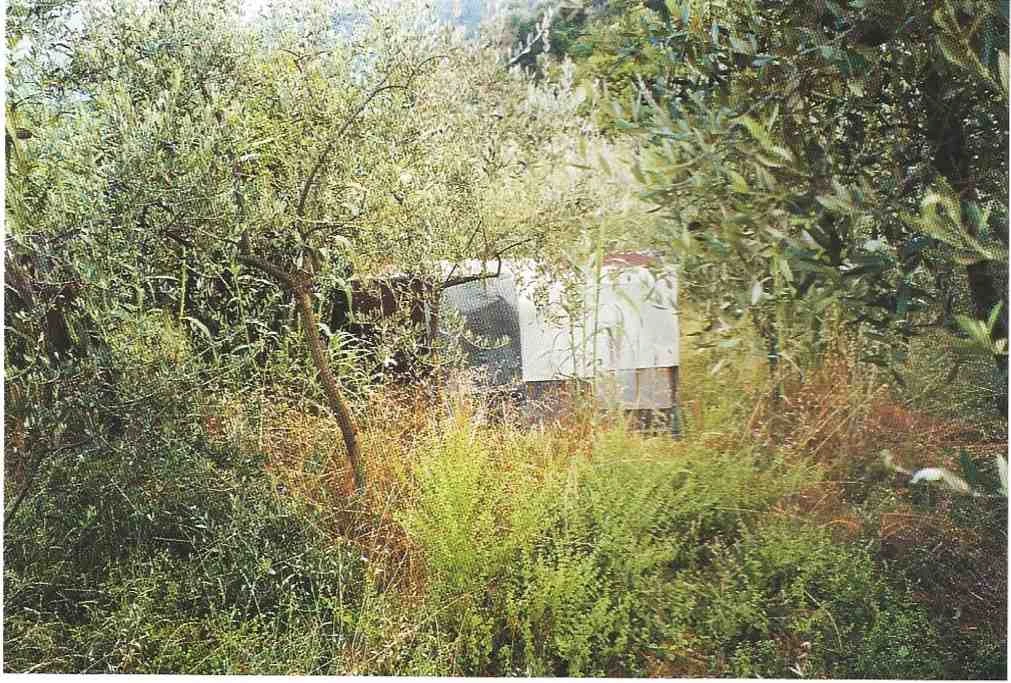
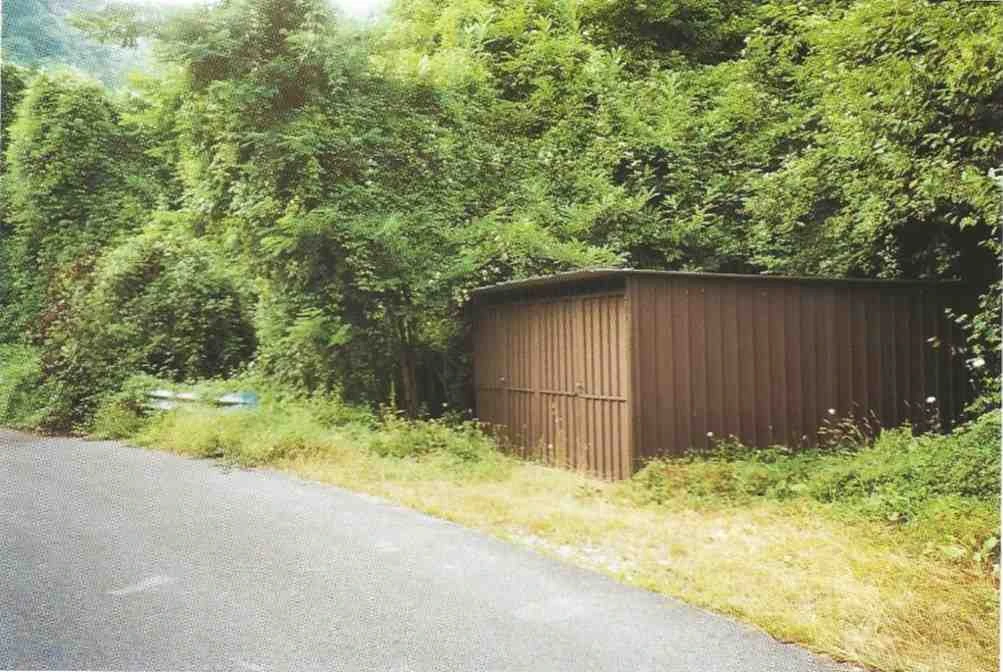
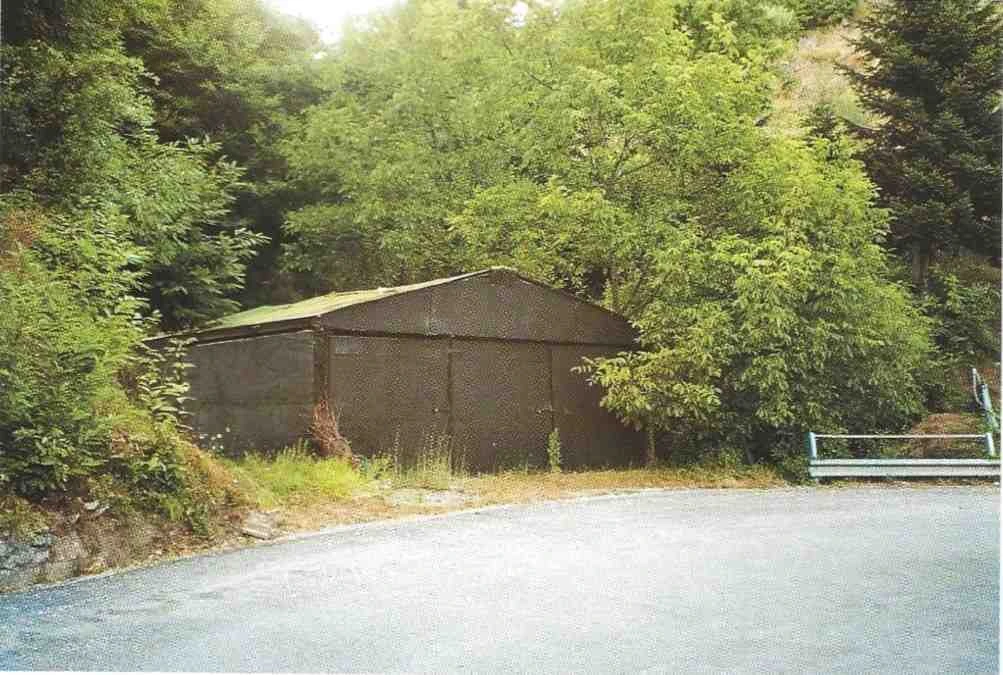
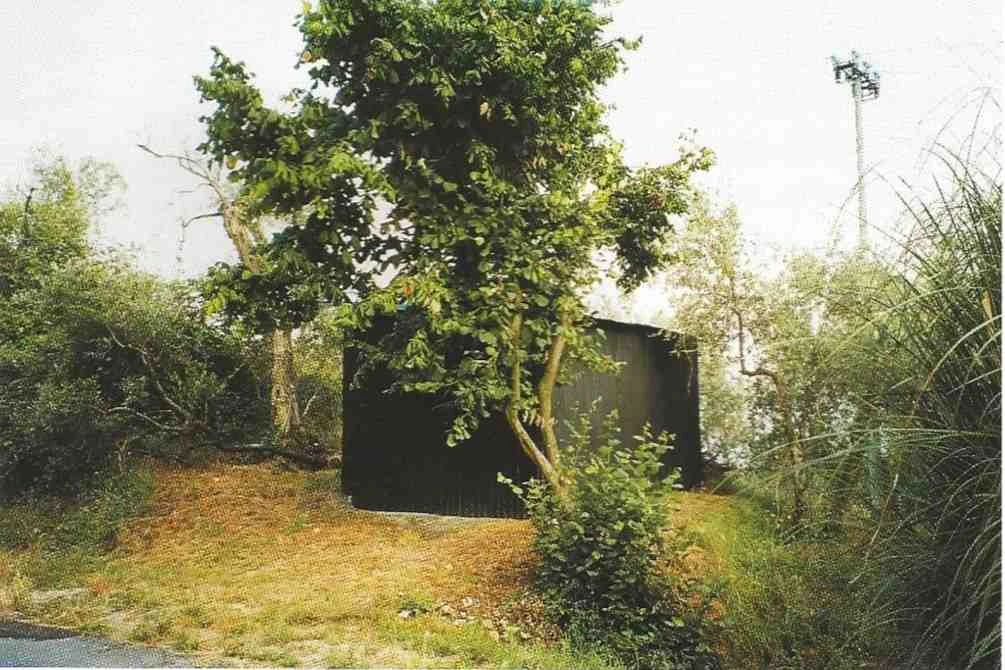
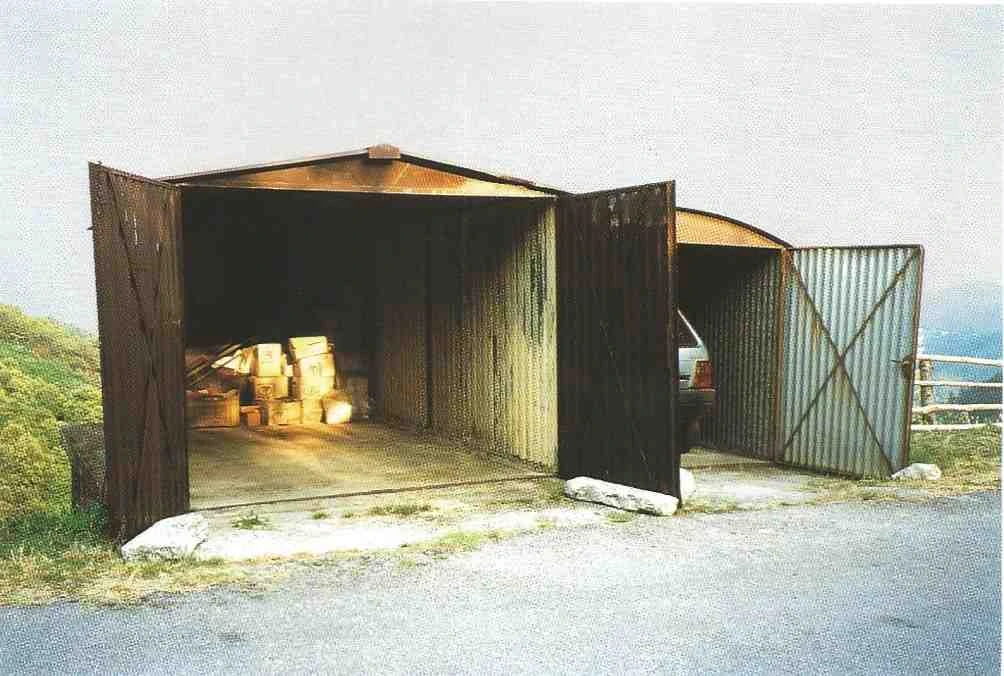
Colour prints mounted on aluminium, 152 x 102 cm each
I Lay on the Bed Waiting for his Heart to Stop Beating
2000
I Lay on the Bed Waiting for his Heart to Stop Beating is a series of photographs Breda Beban was taking after emigrated with her collaborator and later partner, Hrvoje Horvatić. Living the life like nomads, regardless sleeping in other people’s beds, or rented rooms, they knew that soon they would have to move on, without leaving any trace of themselves behind.
Every morning in each new location Beban would photograph first the empty bed, then the window of the room, then the view through the window. The last photographs of the series were taken in December 1997 in Homerton hospital in London, where Hrvoje Horvatić prematurely died of chickenpox at the age of 39.
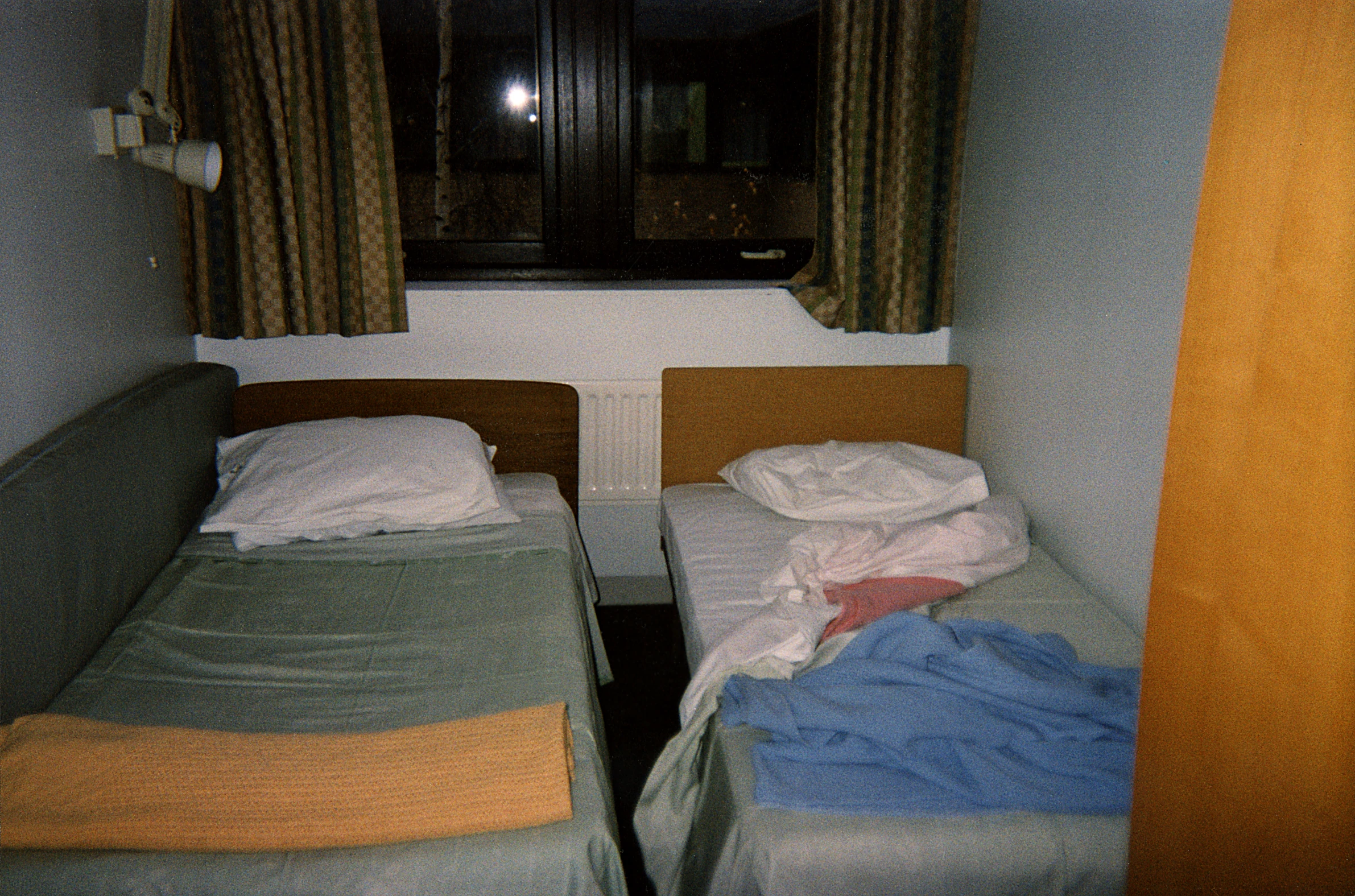
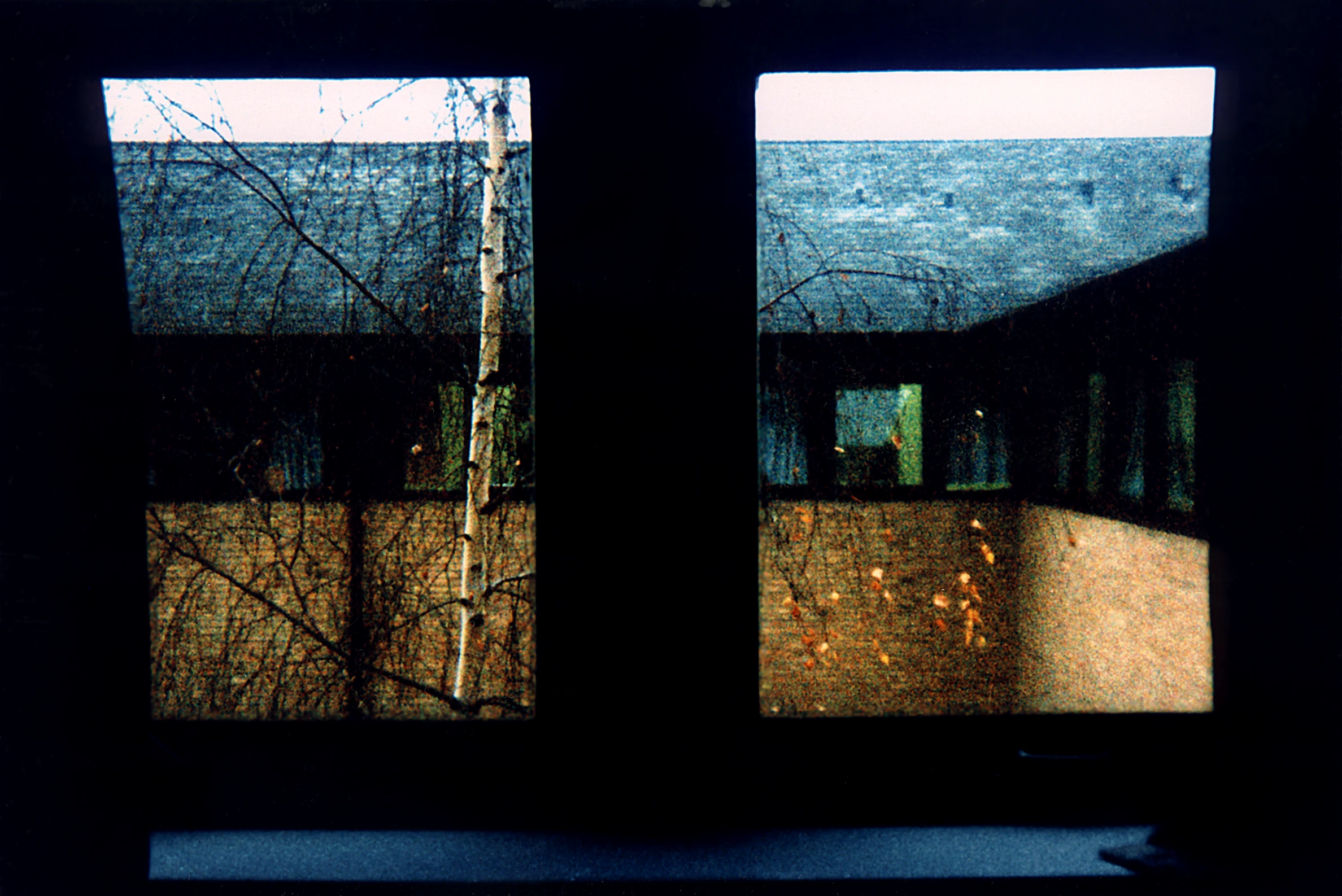
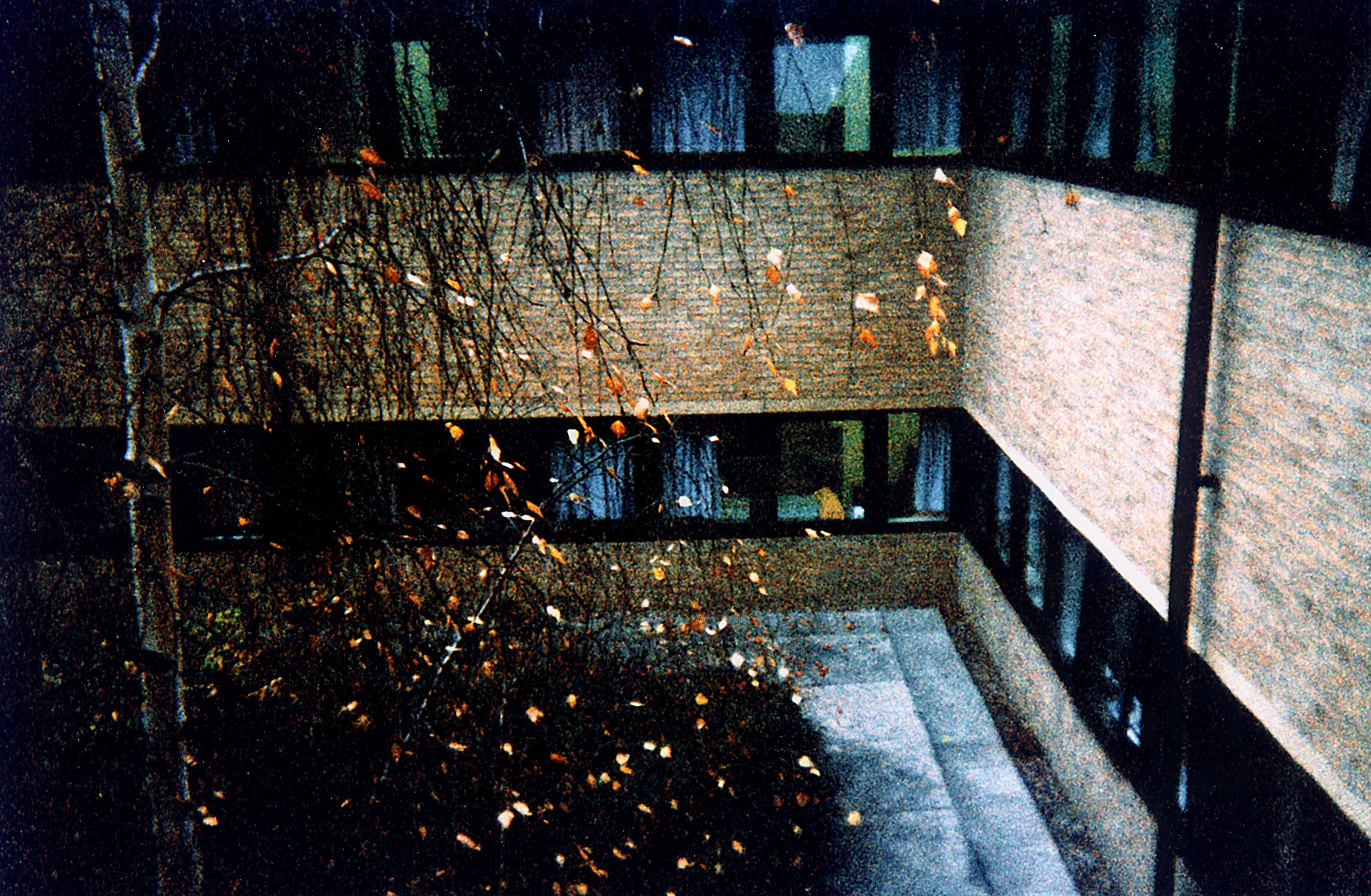
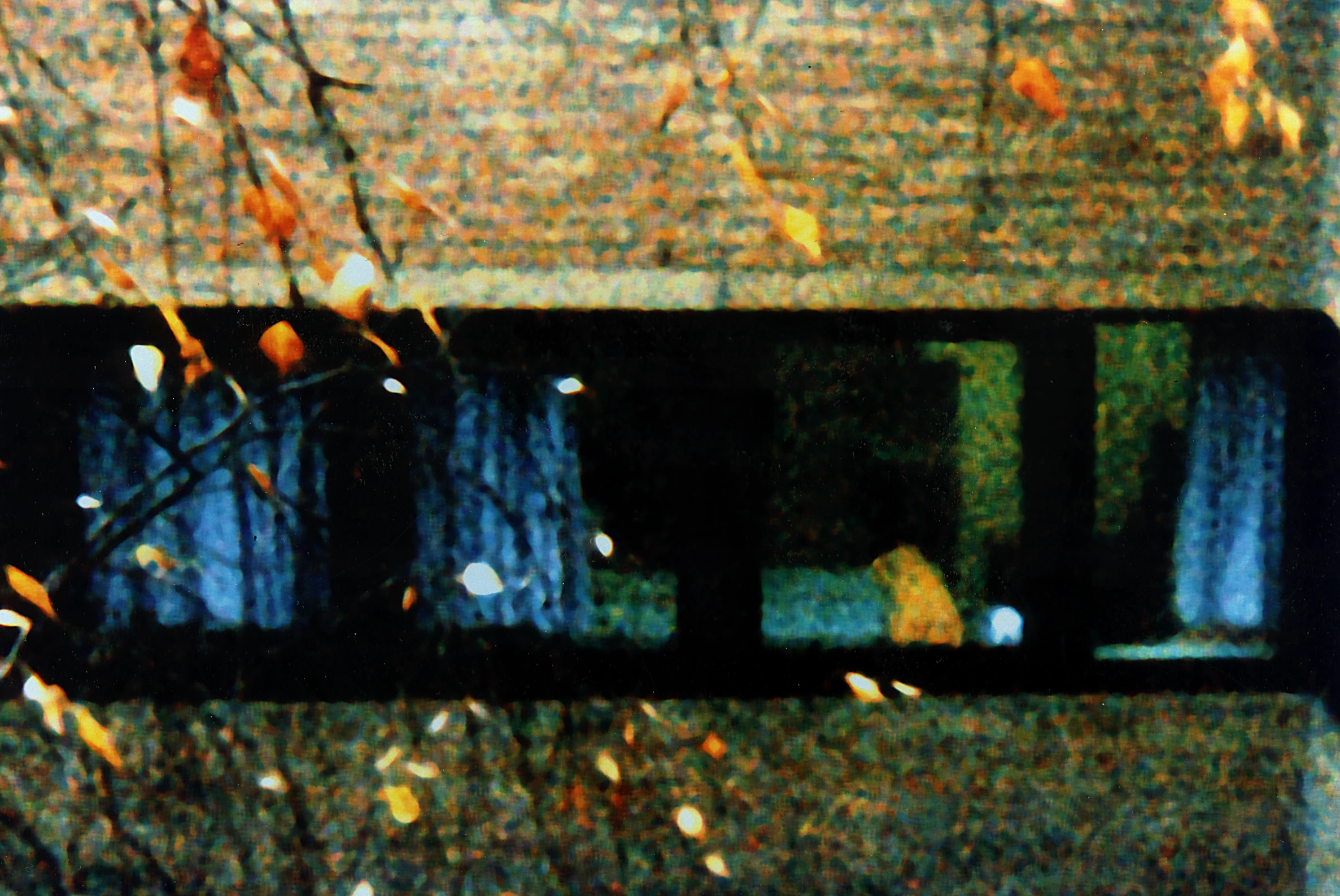
This series of photographs includes the Arrivals series of photographs.
Series of 36 photographs taken in locations: Fibbiano Montanino, Italy; Toronto, Canada; Sao Paolo, Brazil; Dresden, Germany; Liverpool, UK; London, UK (1991/1997)
Colour prints mounted on aluminium, 30,5 x 20,5 cm each
The Miracle of Death
2000
The Miracle of Death is a series of six photographs taken in the apartment where Breda Beban and Hrvoje Horvatić lived. After Hrvoje’s body was cremated in London, she decided to take his ashes back home to Zagreb. Before leaving for the airport, she photographed the cardboard box containing his ashes in different parts of their London apartment.
On the way to the airport, while holding the cardboard on her lap, Breda remembered what Anna Andreevna Achmatova, the Russian poet said on her death bed, that she was getting ready for the miracle of death.
"Breda Beban's work epitomises the distinct capacity of a work of art to describe life simply and without obvious elaboration, and to invest it with the profundity of human emotion". Charlotte Cotton, The Photograph as Contemporary Art (Thames & Hudson, 2004).
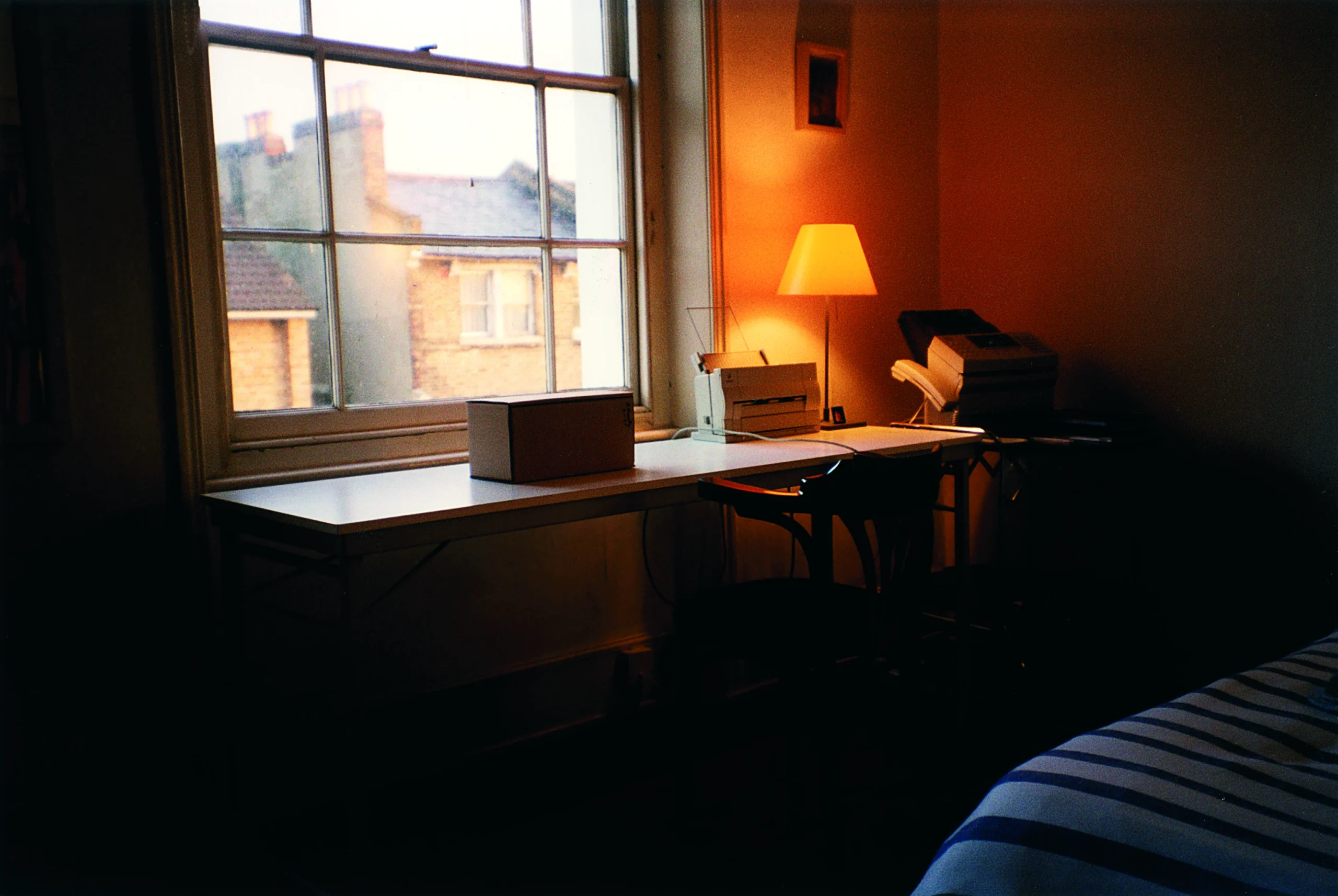
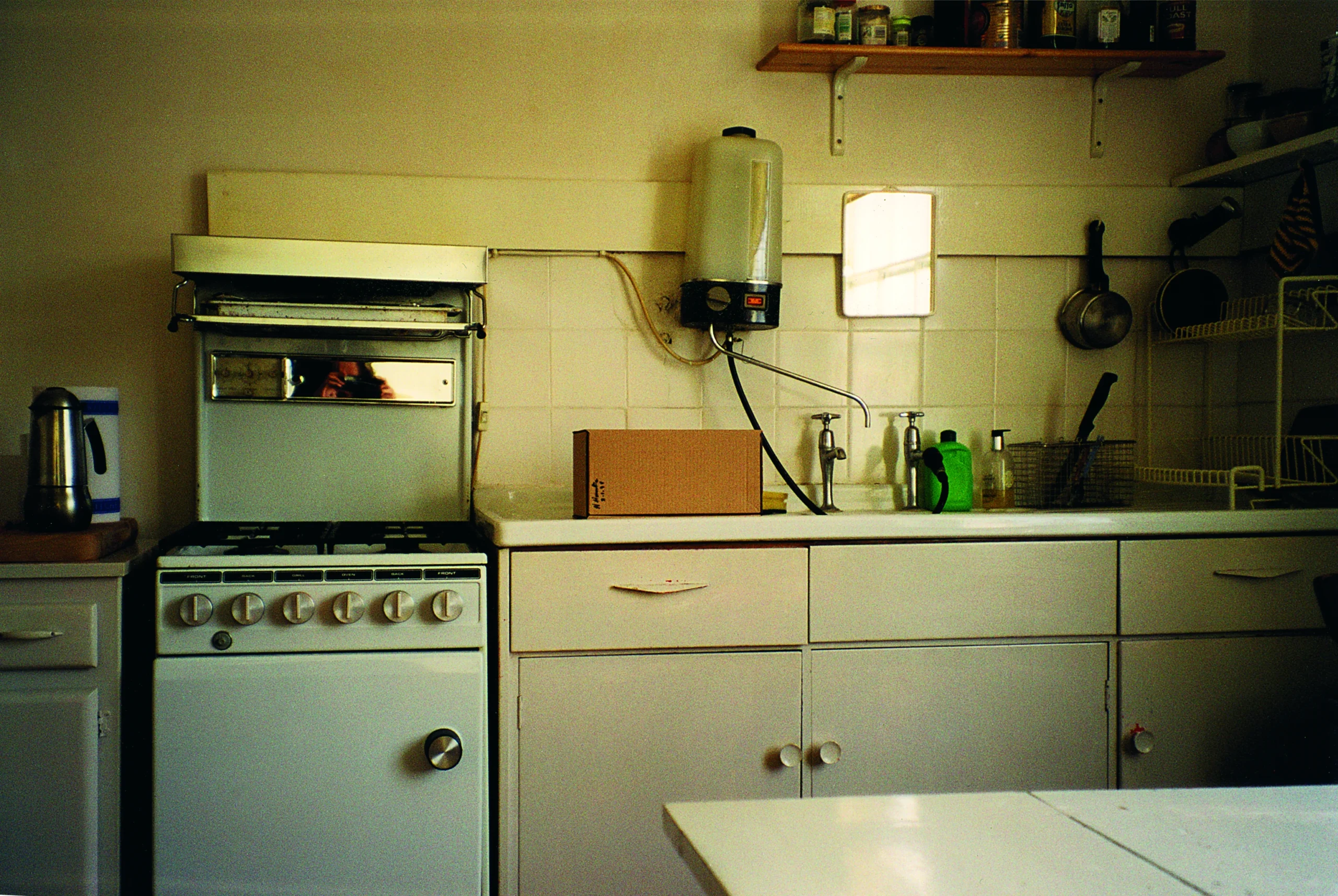
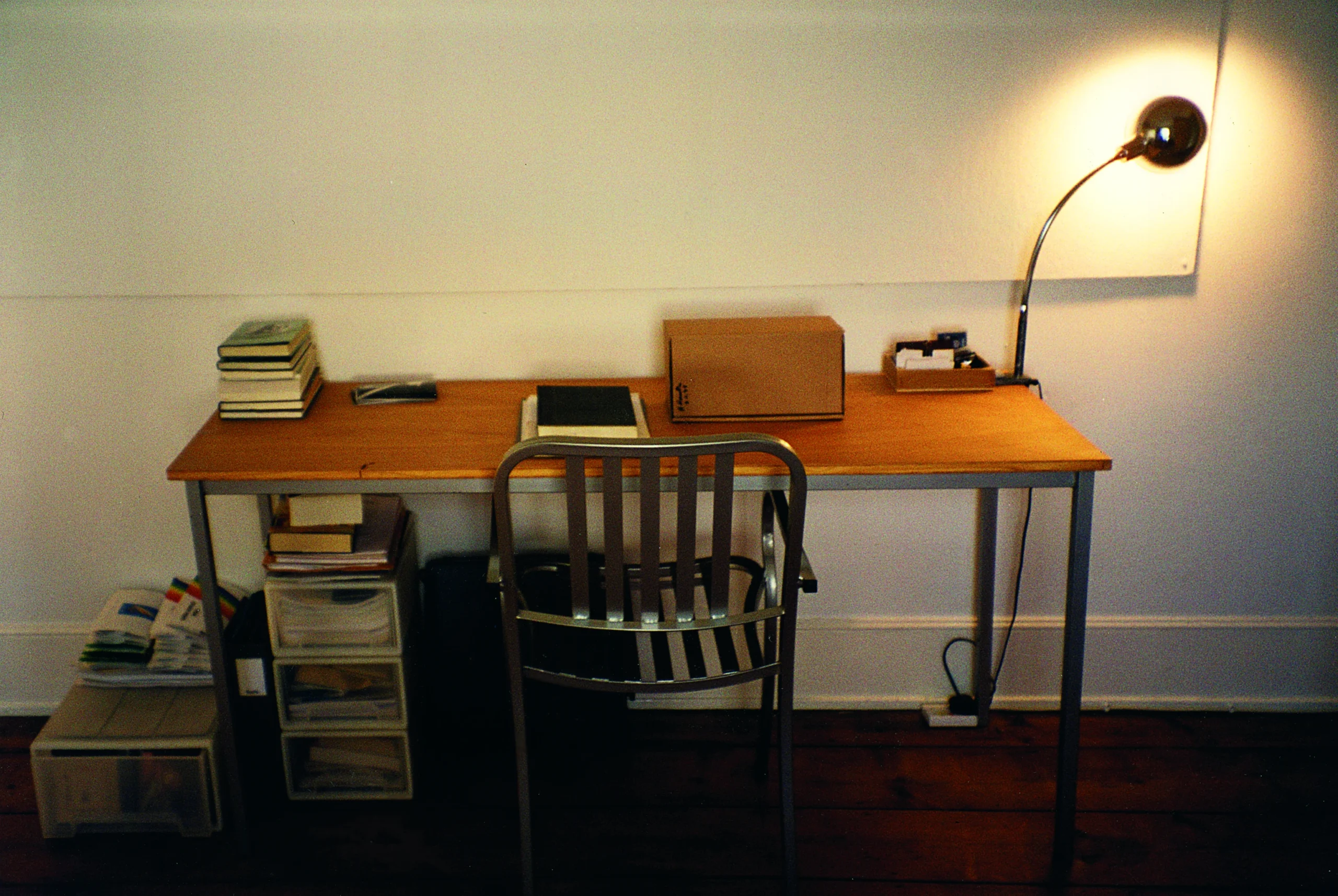
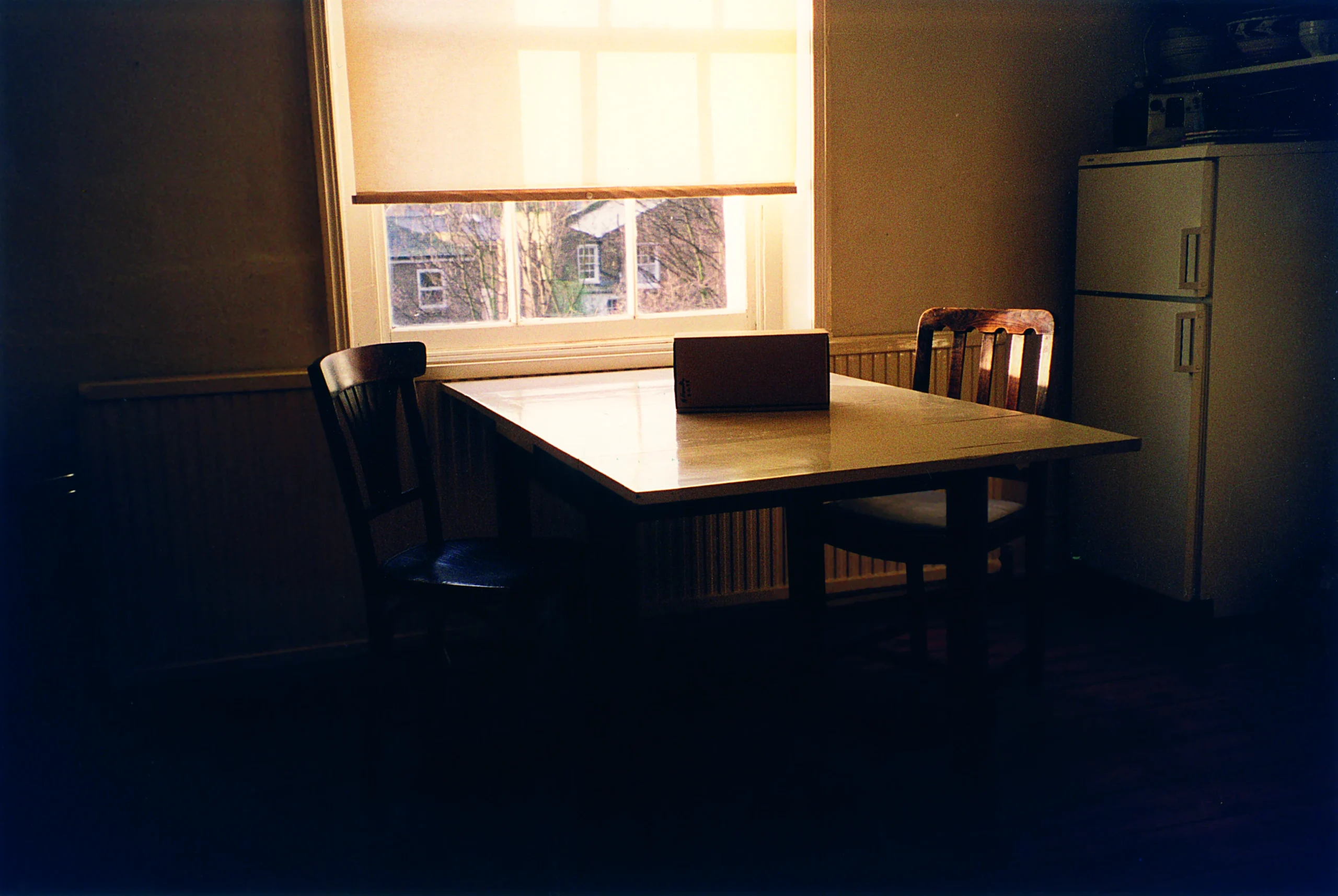
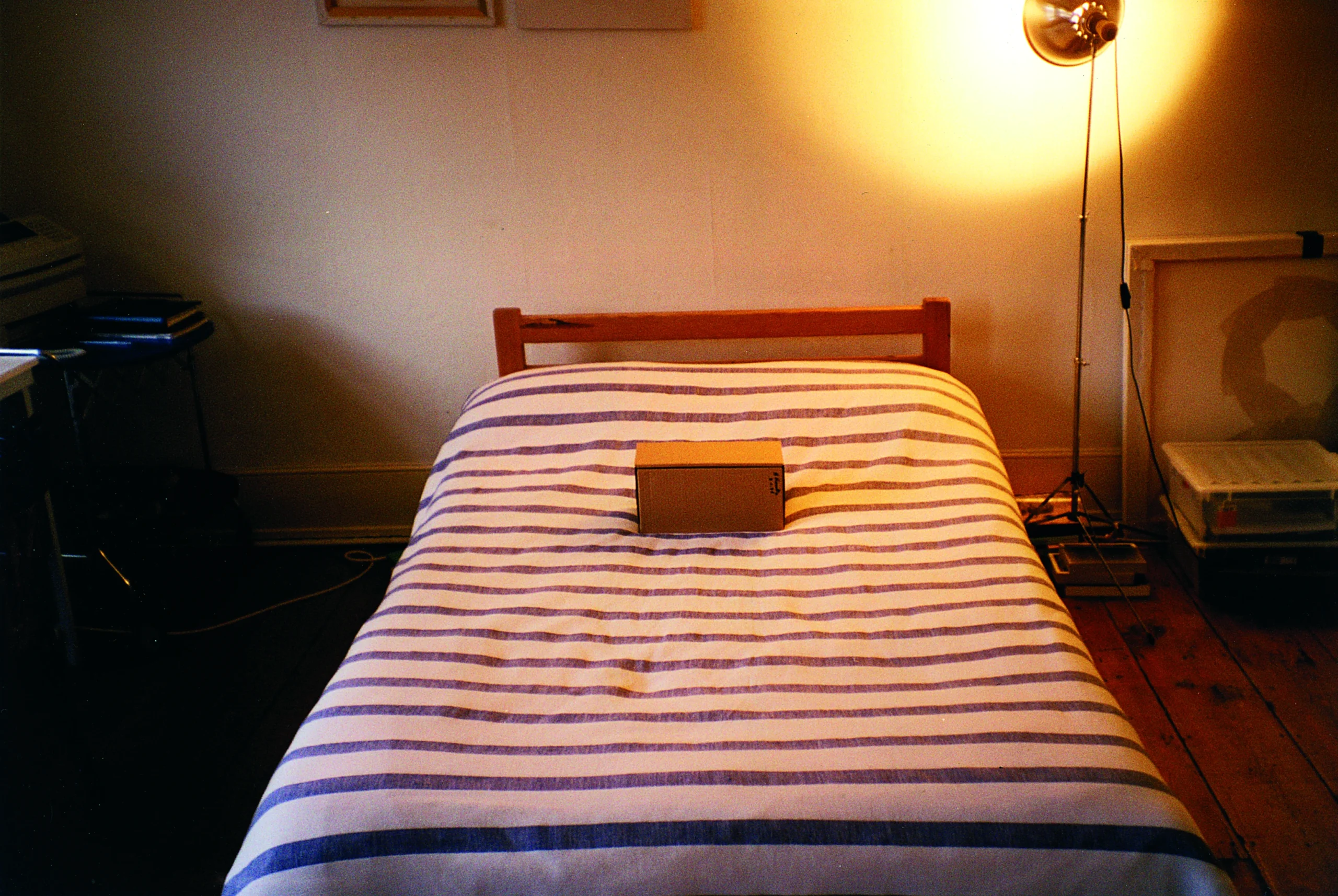
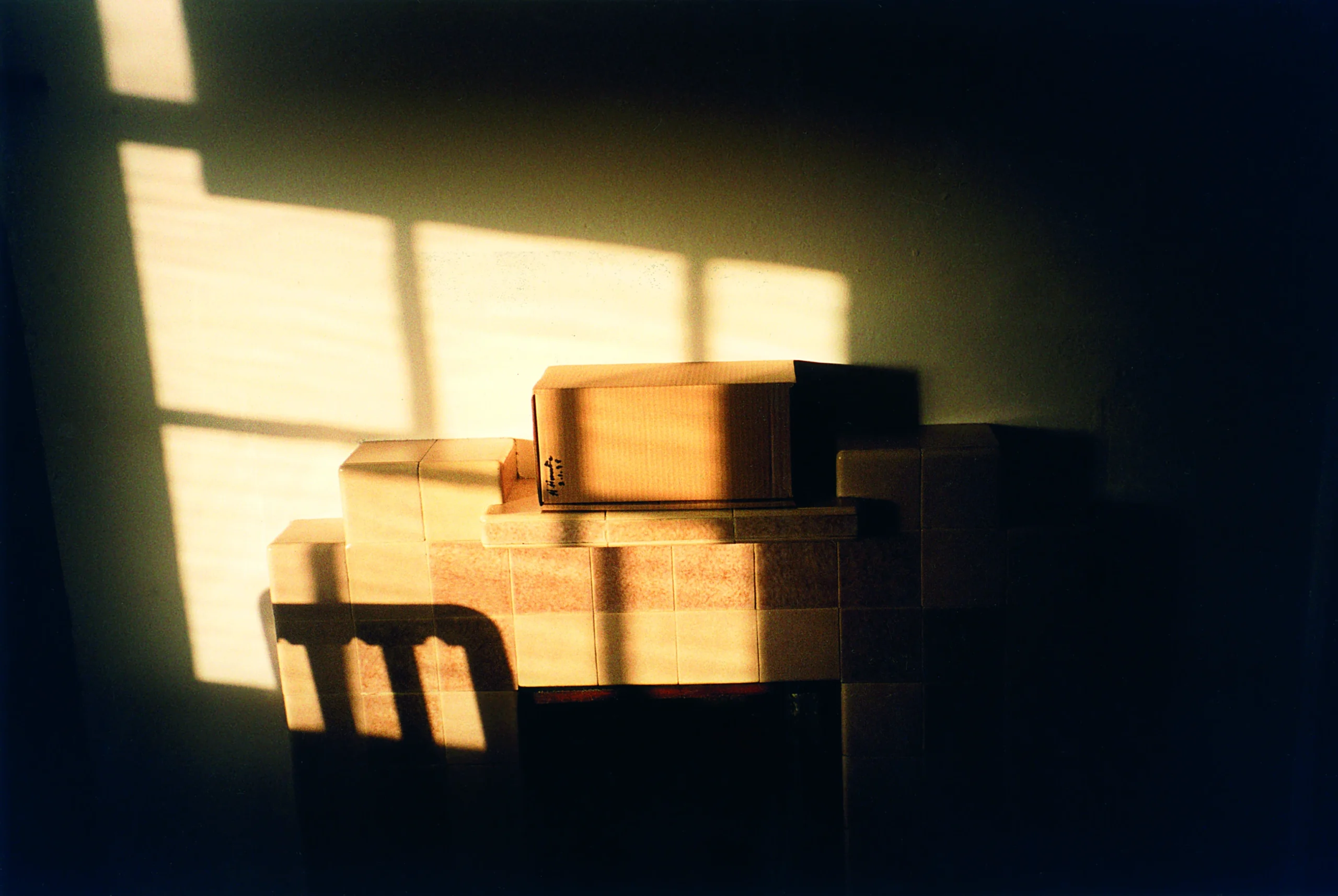
Colour prints mounted on aluminium
Size: 102 x 152 cm each
Airport Chapels
2003
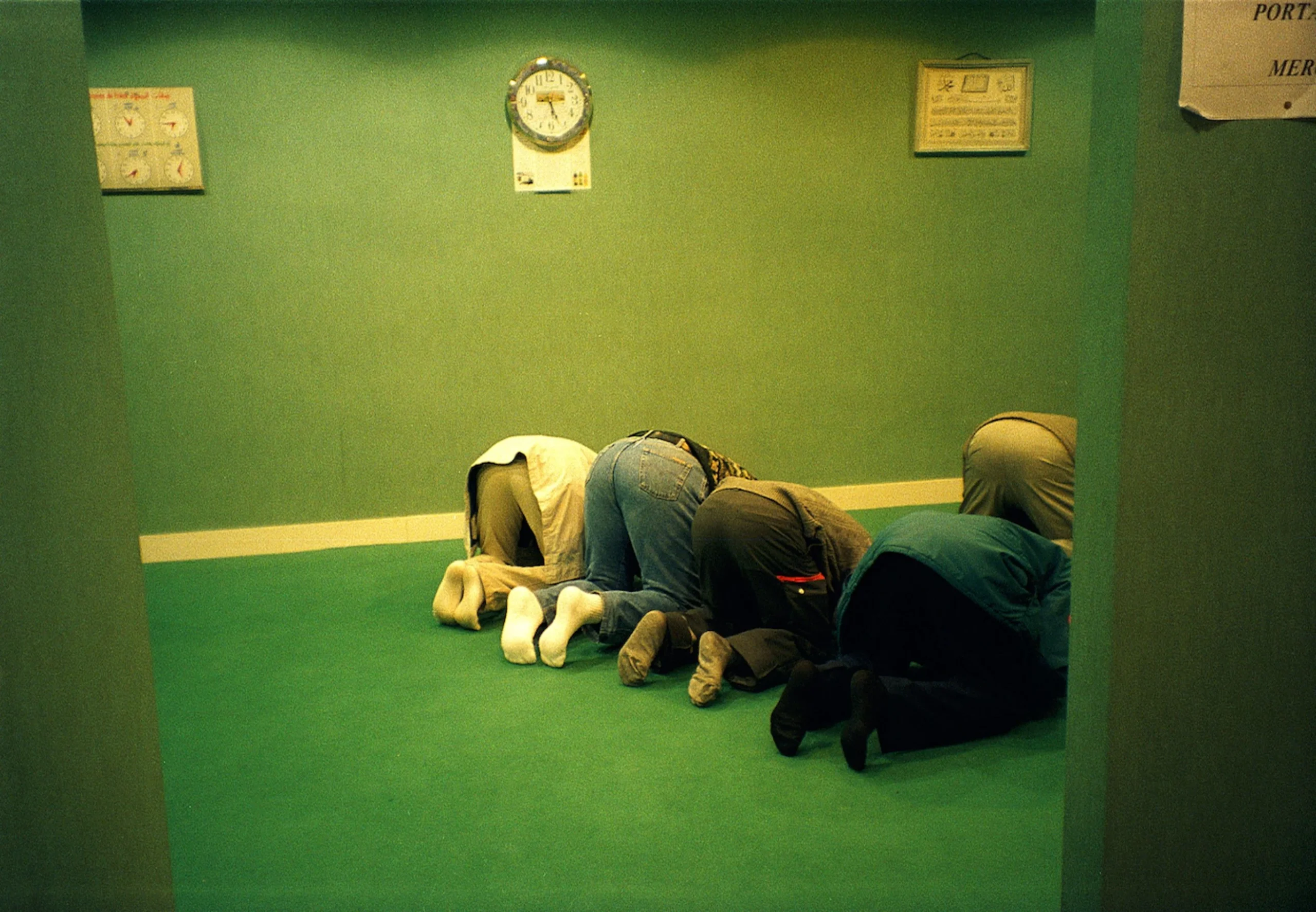
Airport Chapels is a series of five photographs representing the praying areas in international airports, free from any religious reference, but rich of intimacy and spirituality.
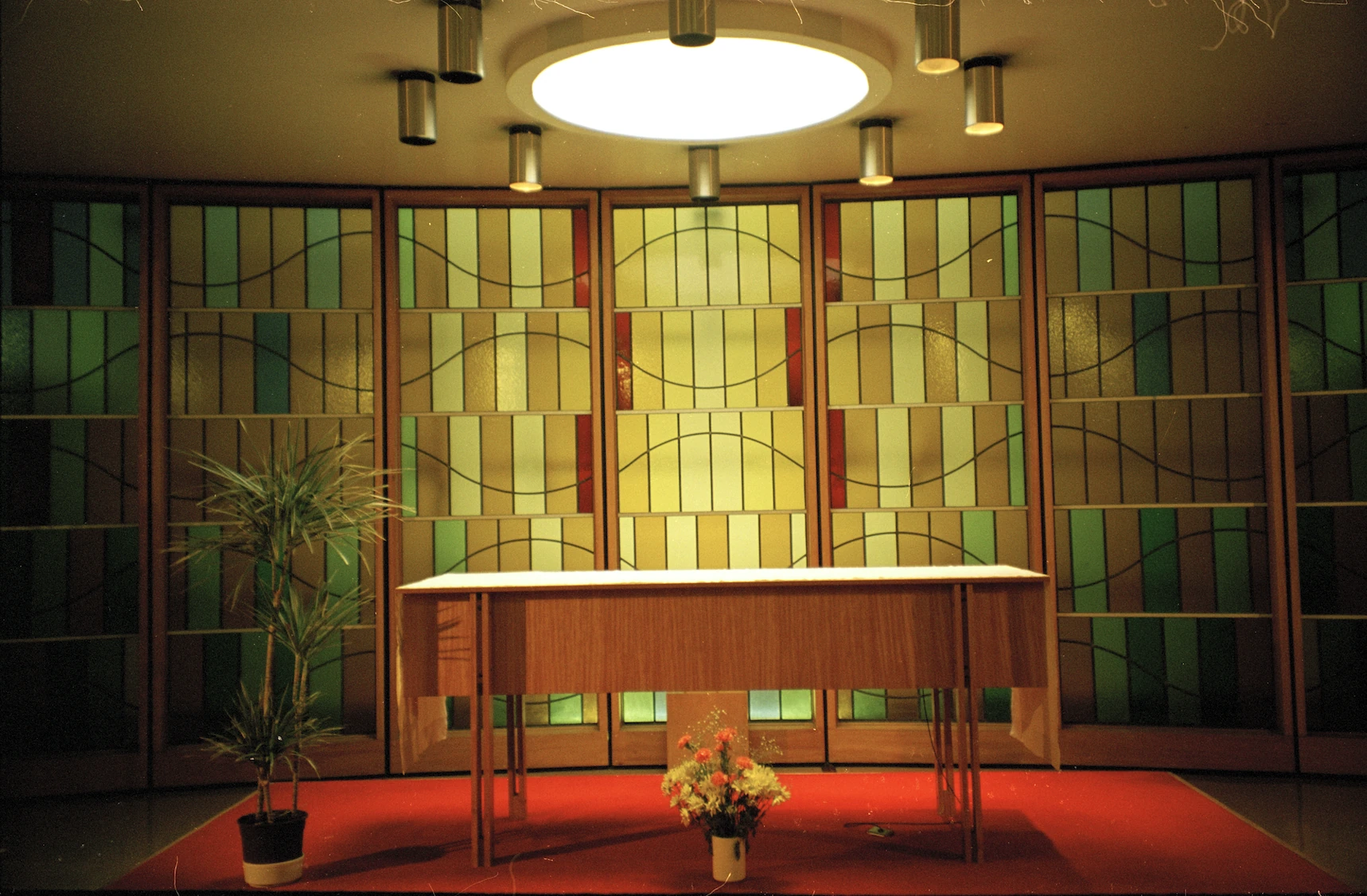
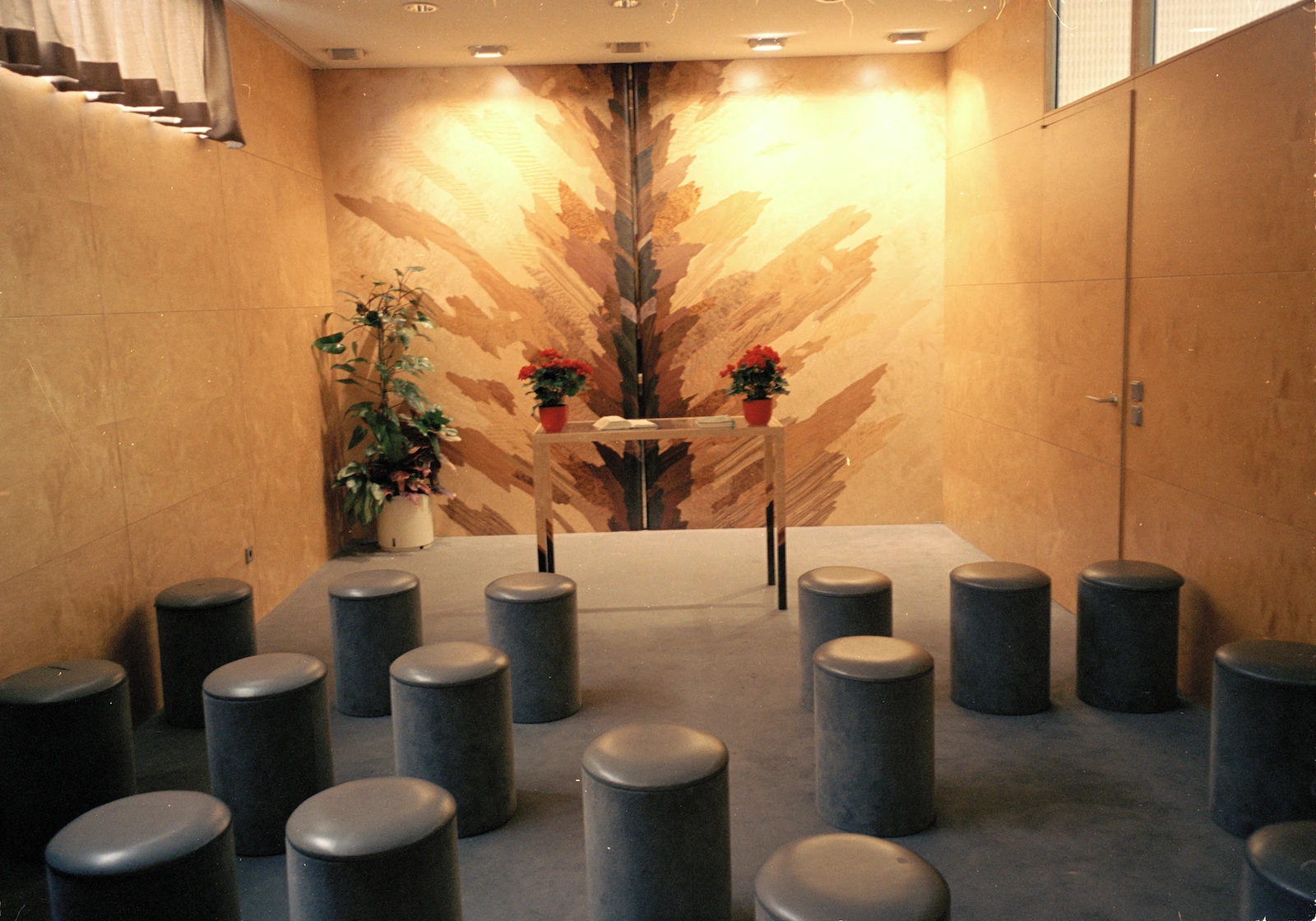
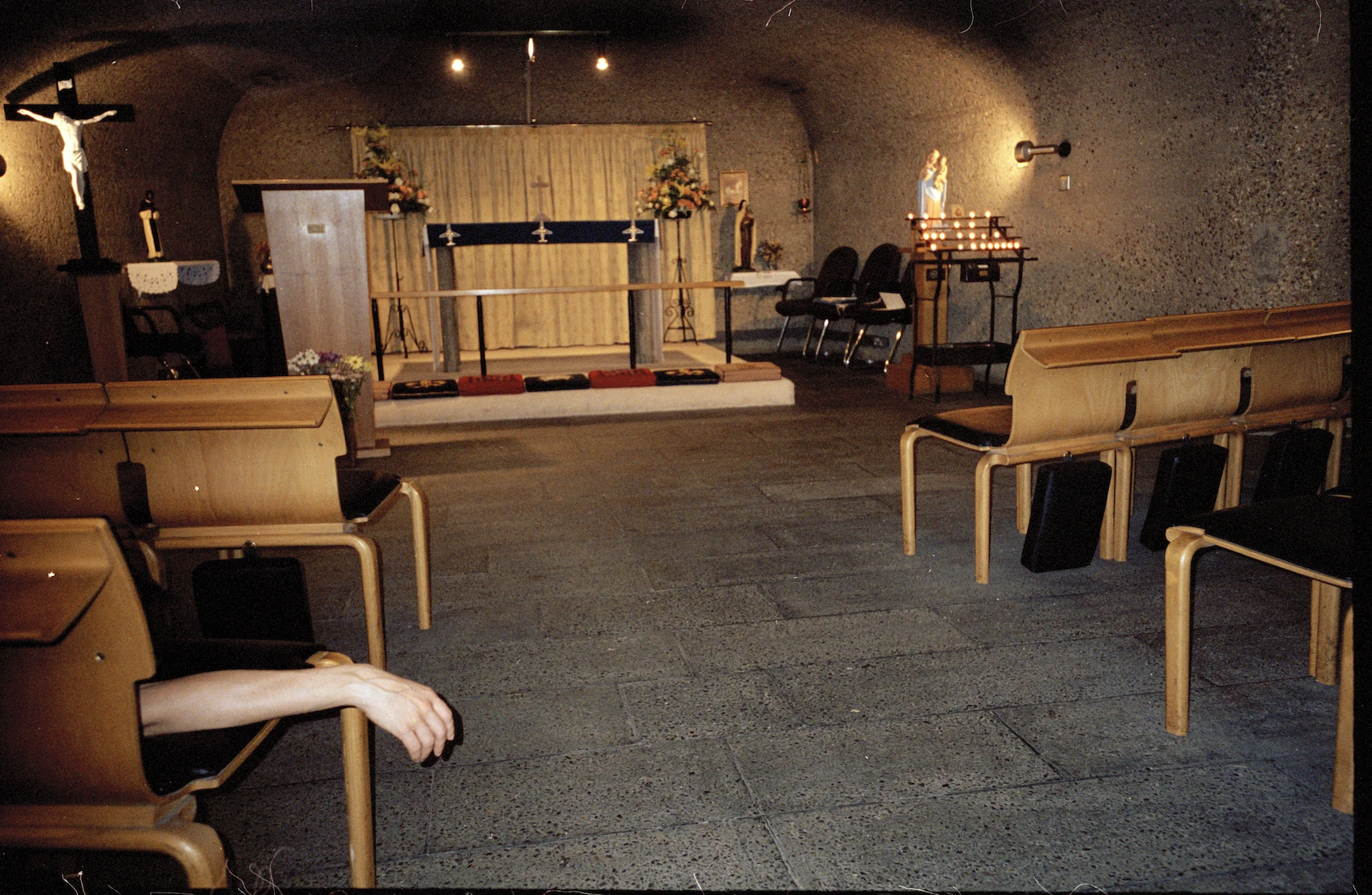
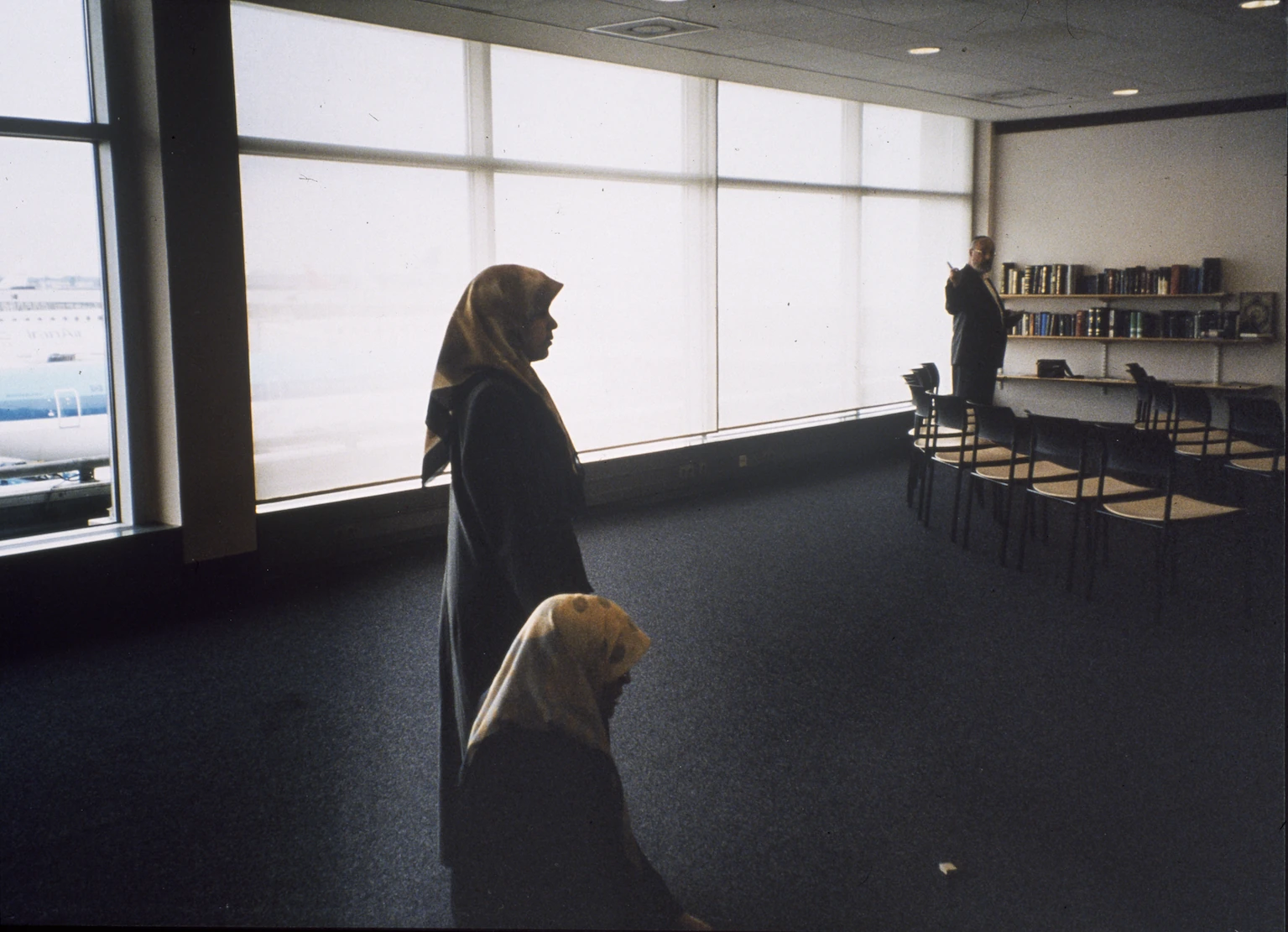
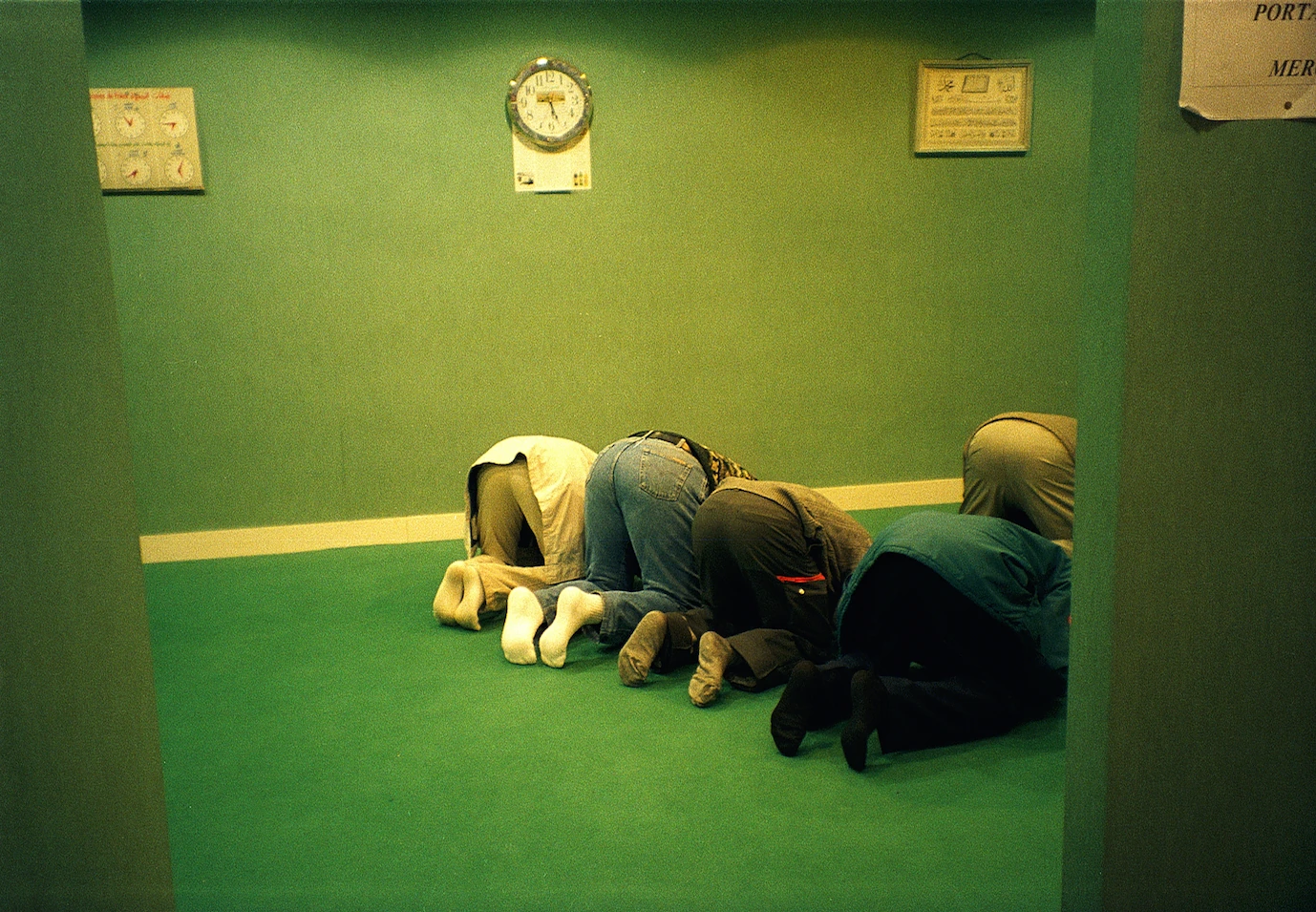
Colour prints mounted on aluminium
Size: 100 x 150 cm each
Paths
2003
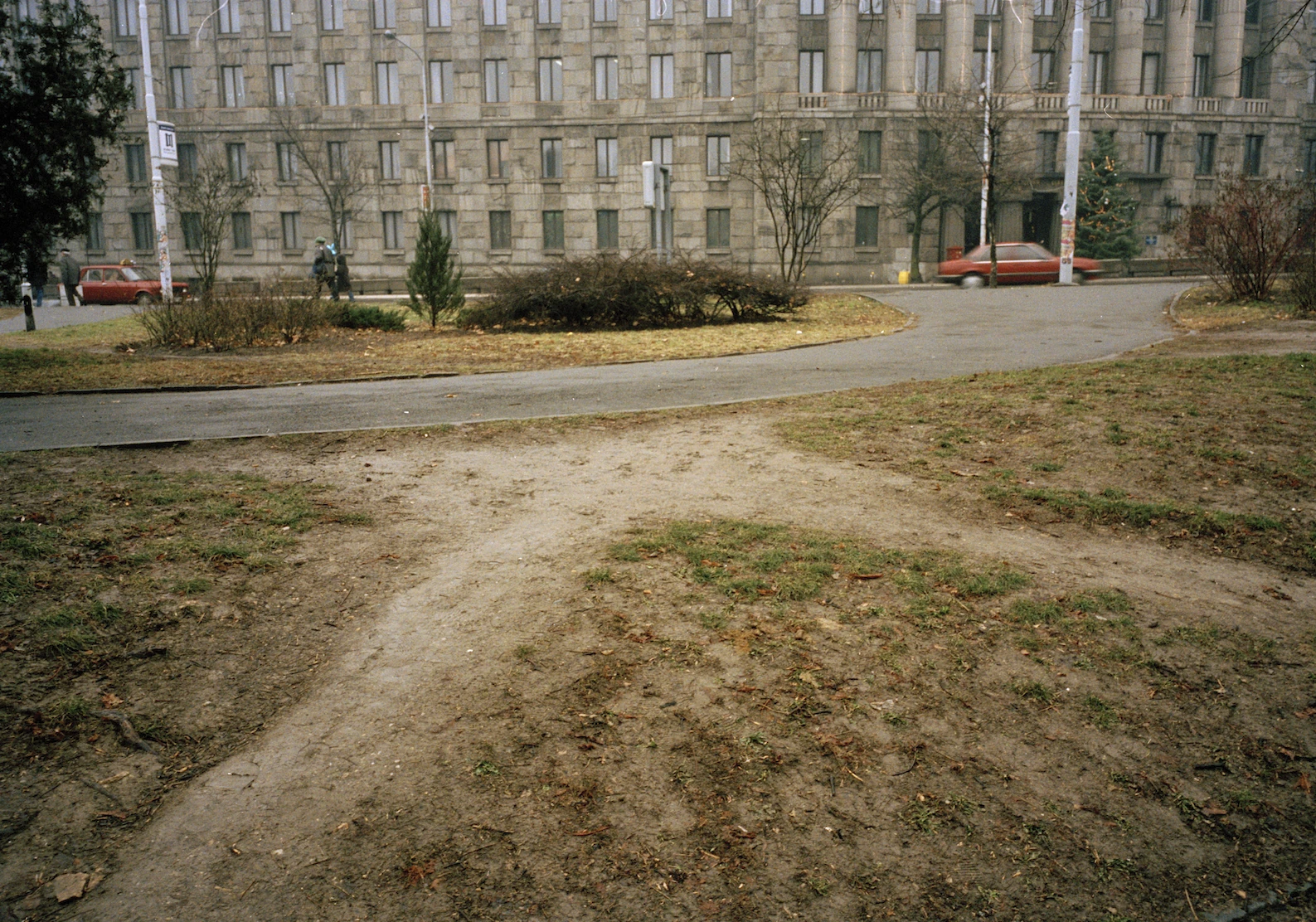
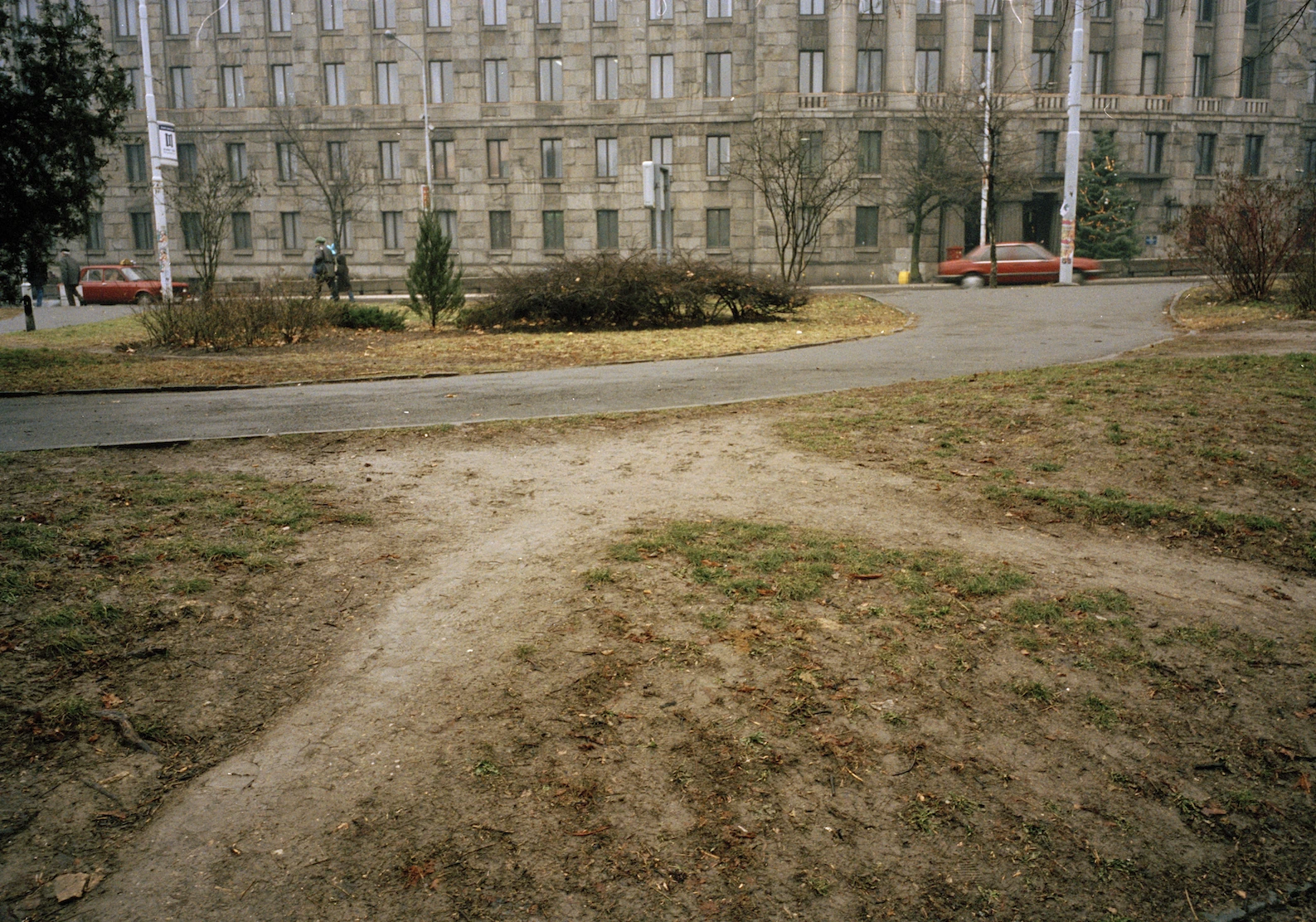
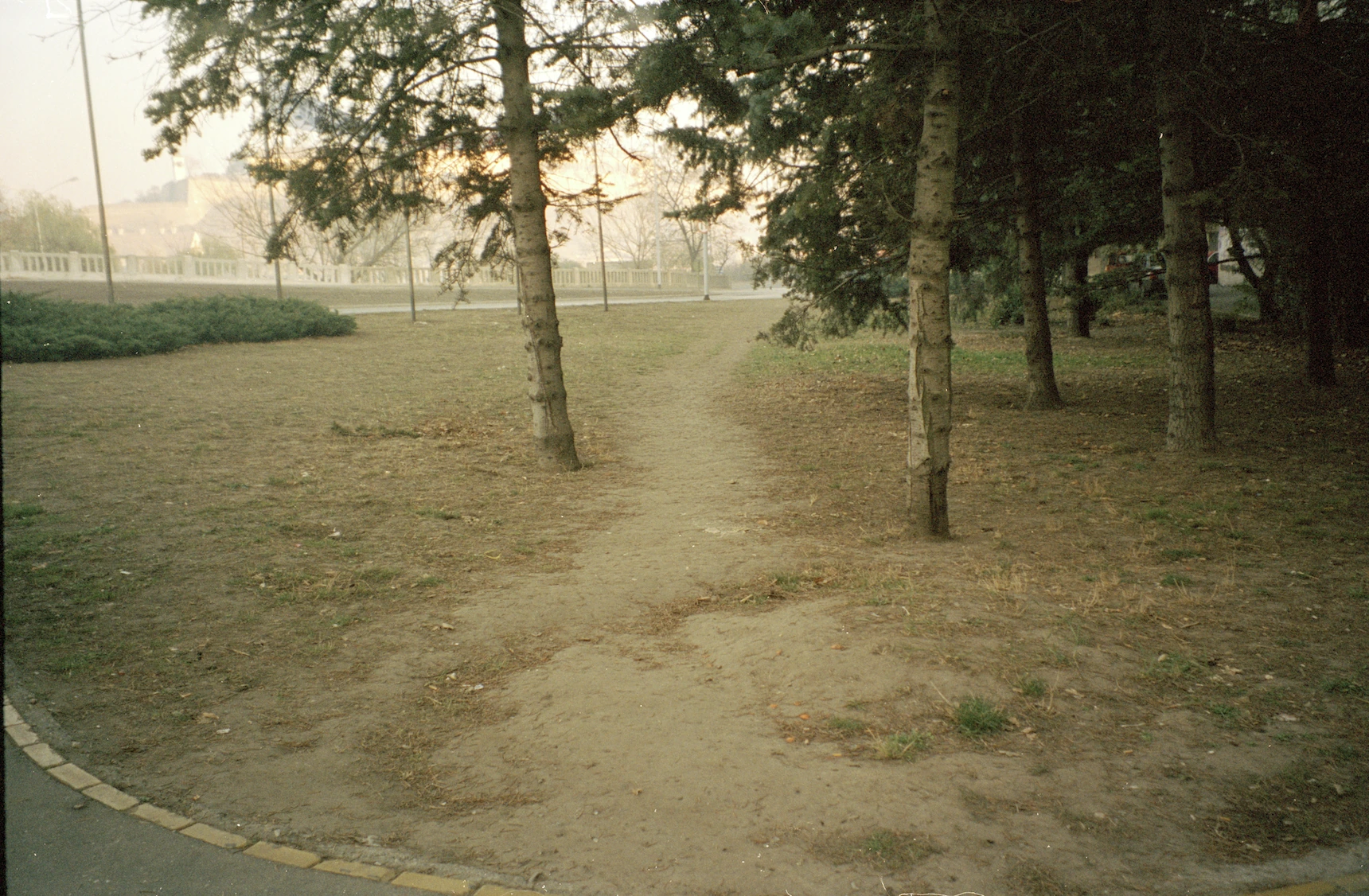
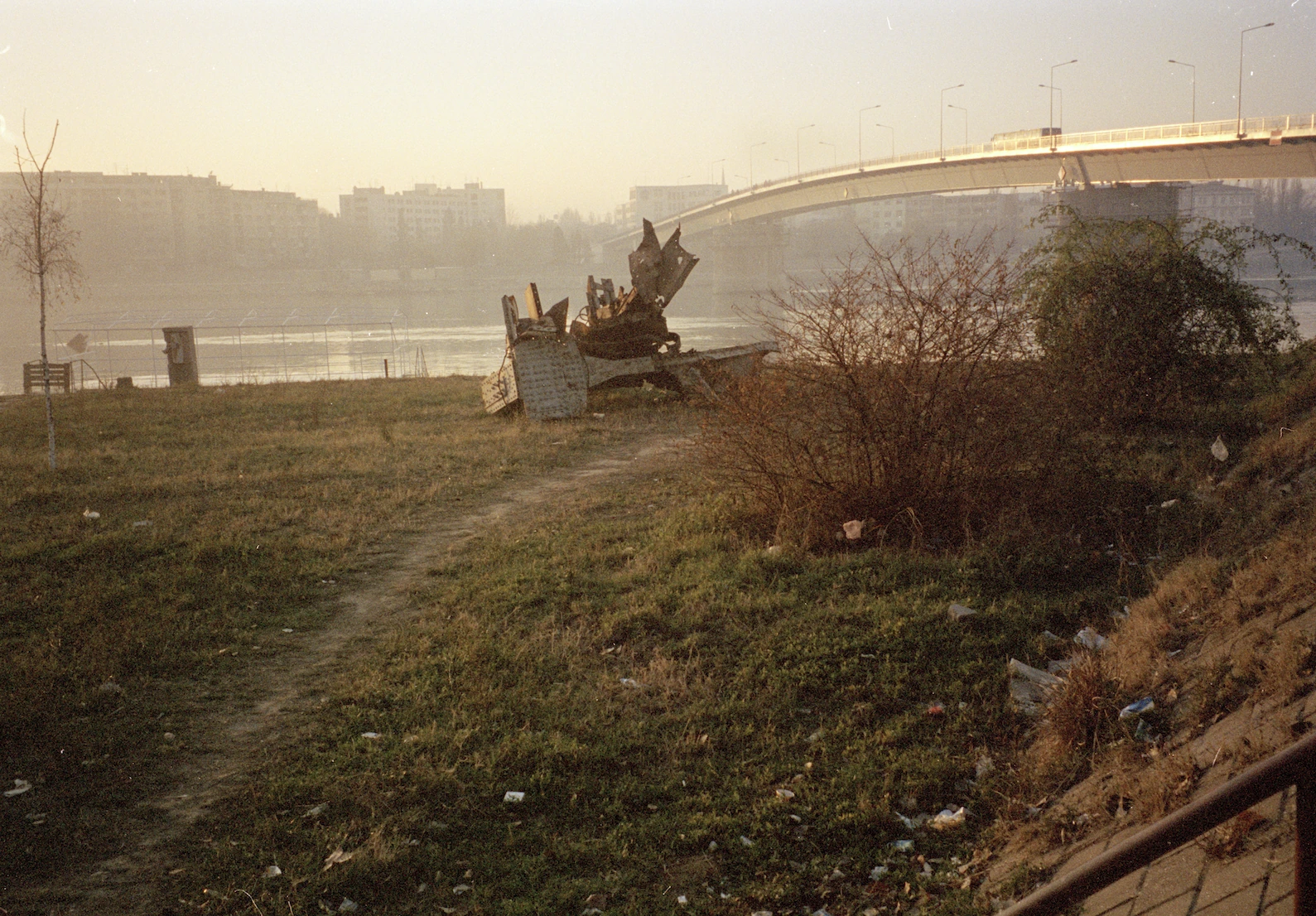
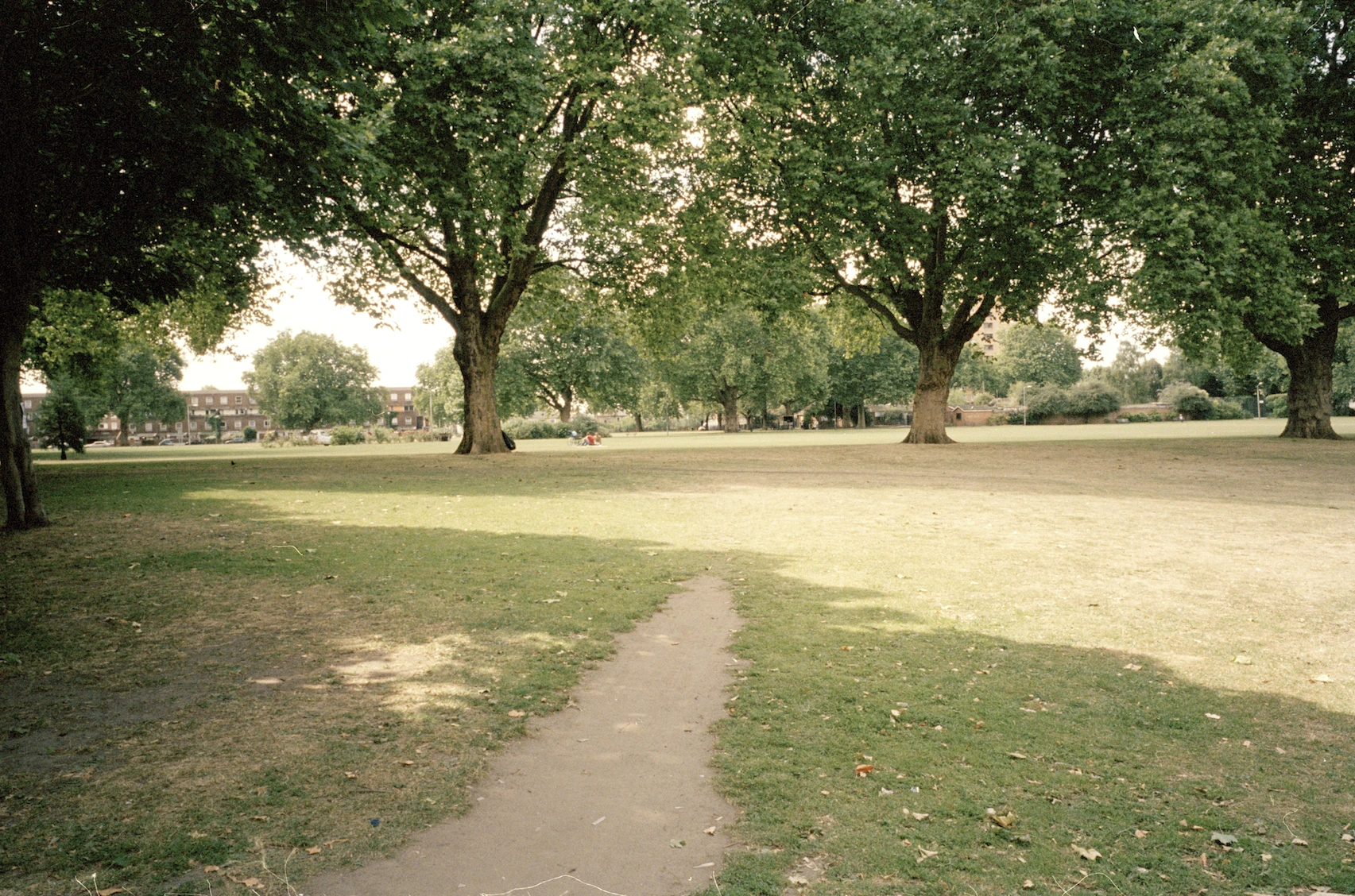
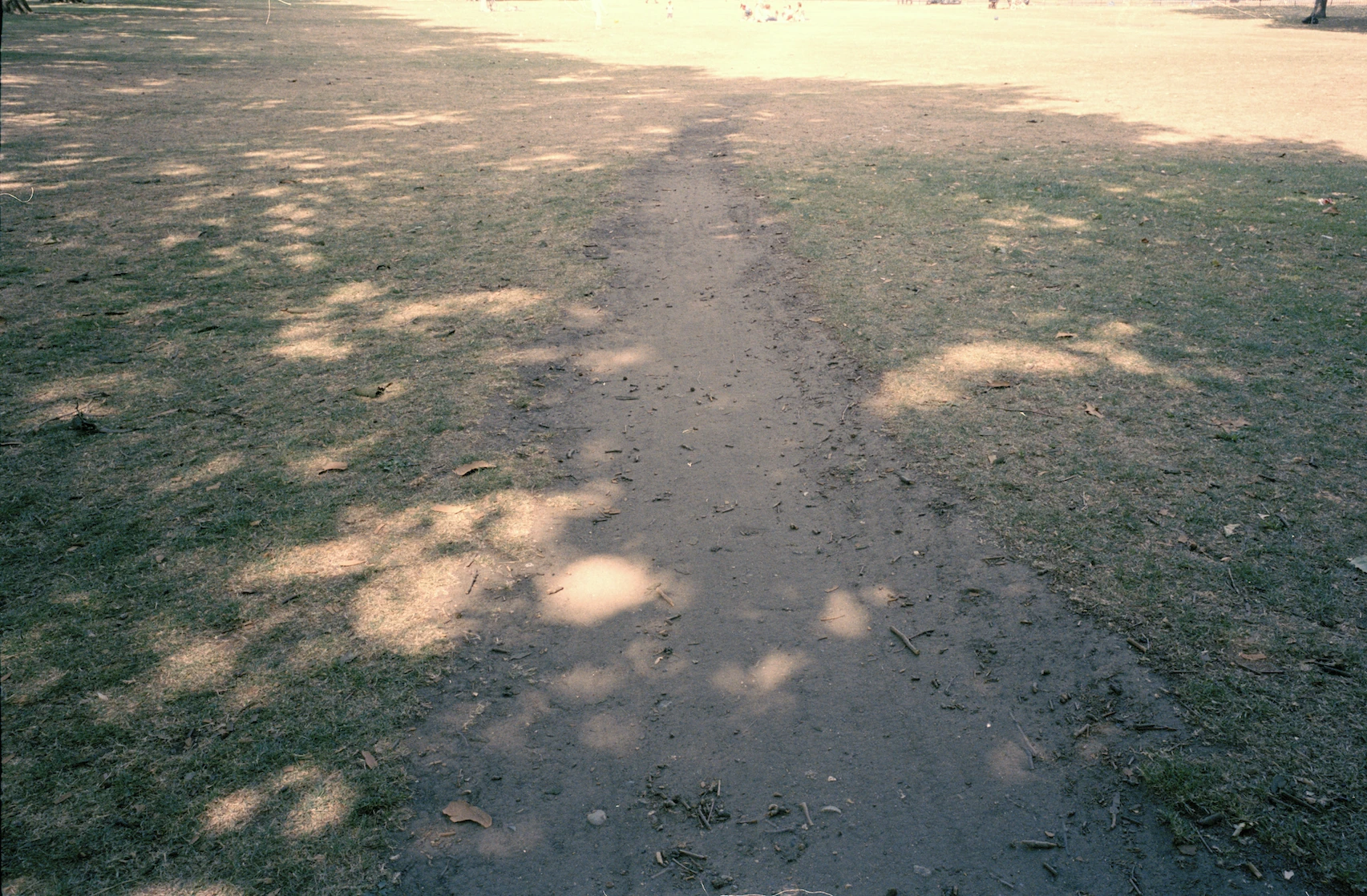
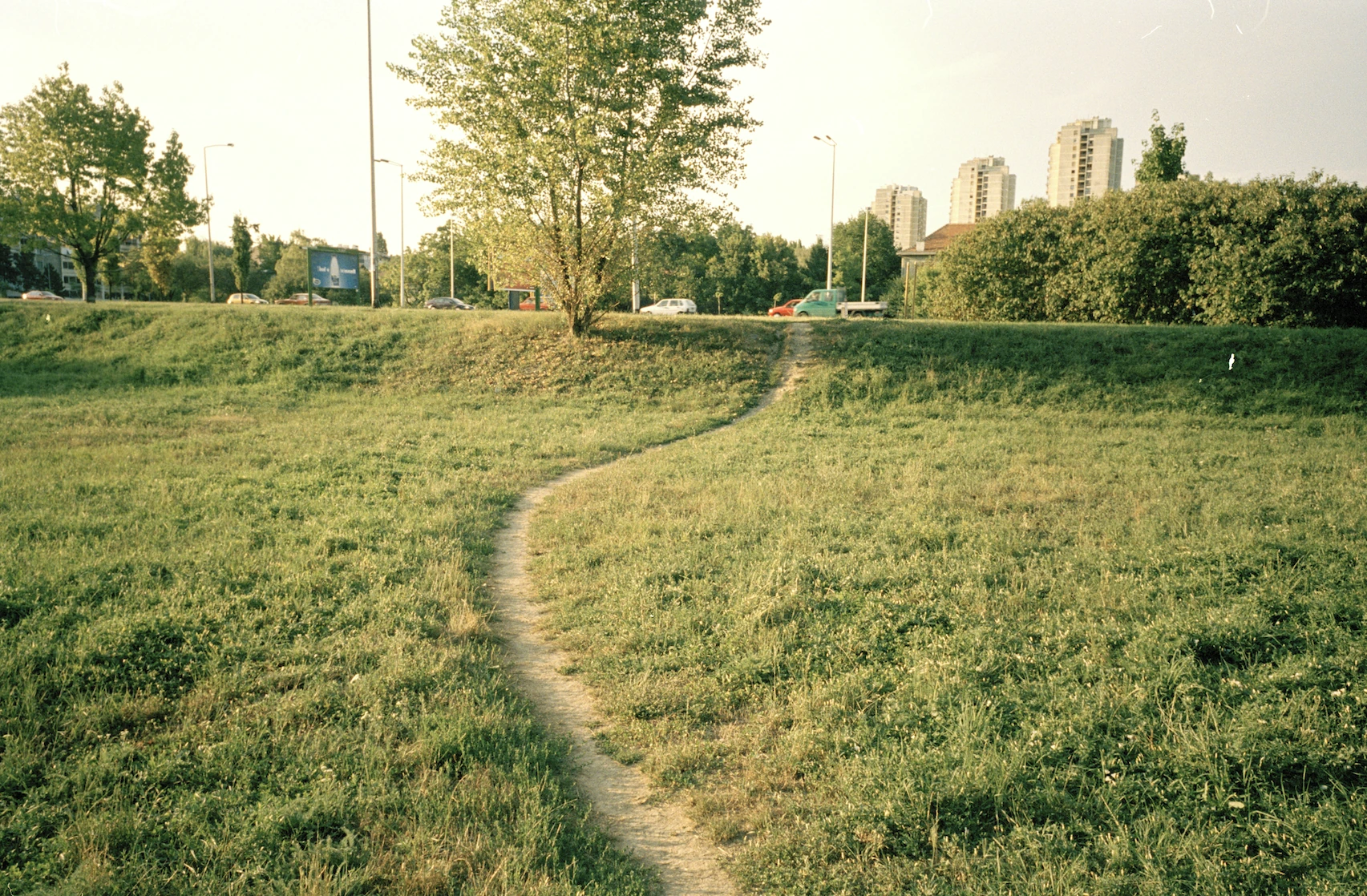
Paths is a series of six photographs inspired by ‘desire paths’ formed in urban environments by repeated footfall.
This series of photographs on light-boxes was staged at the exhibition Touchdown at the 13th century St. Augustine’s tower in central Hackney London in 2003.
Arte Vivo
Series of photographs, 2008 – 2011
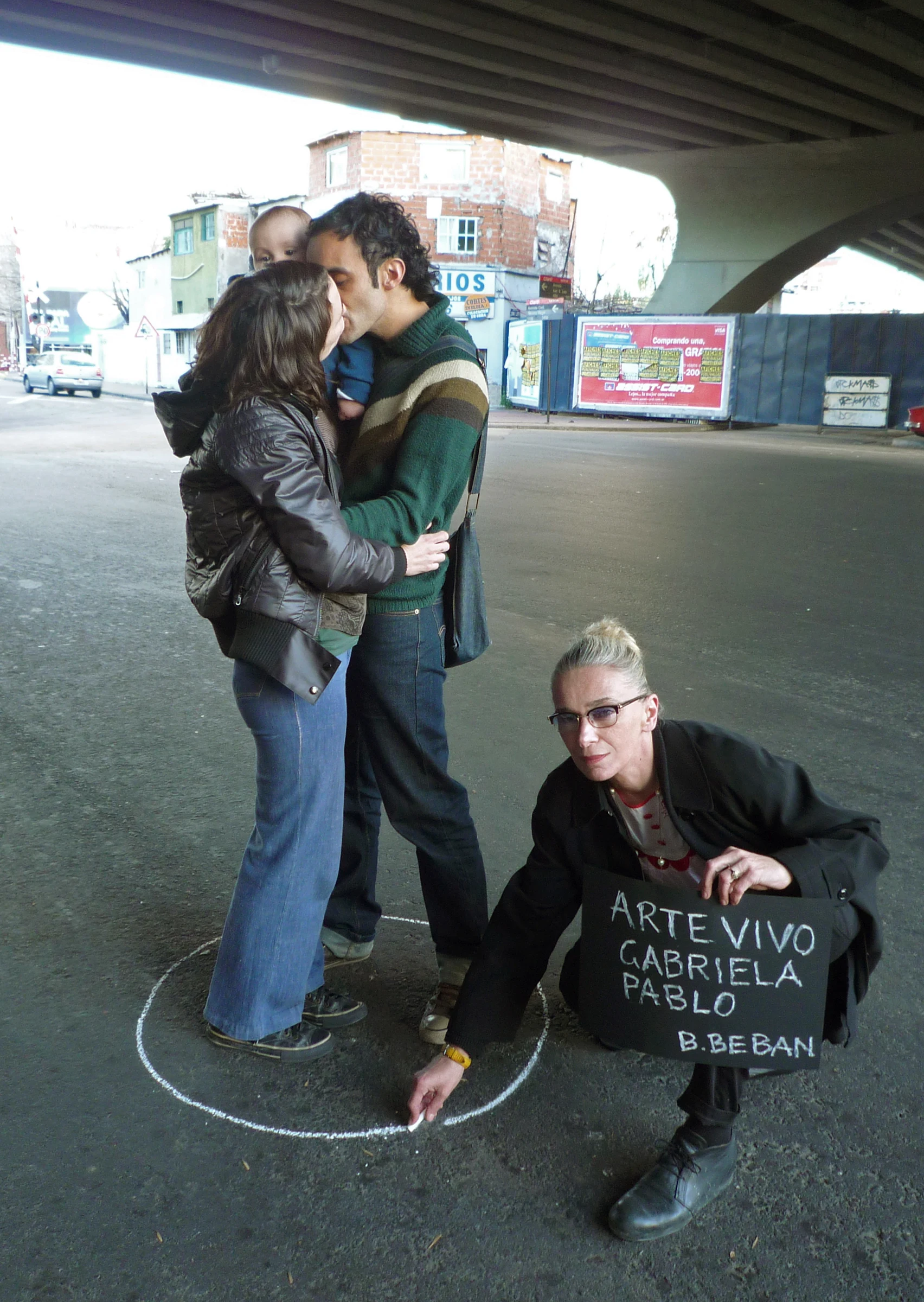
The series of thirteen photographs titled Arte Vivo was triggered by Beban’s childhood imagination and by Argentinean artist Alberto Greco’s 1962 performance “Vivo Dito”. (“Vivo Dito is an adventure of the real” – A. Greco)
Arte Vivo series was included in the exhibitions: Things to do in Buenos Aires, Buenos Aires, (2008), solo exhibition Complicity of Gestures at Kalfayan Galleries, Athens (2011), homage The Adventure of the Real, Studio Tommaseo, Trieste (2012), Adventure of the Real at MSU Museum of Contemporary Art, Zagreb, Rijeka, Osijek (2013).
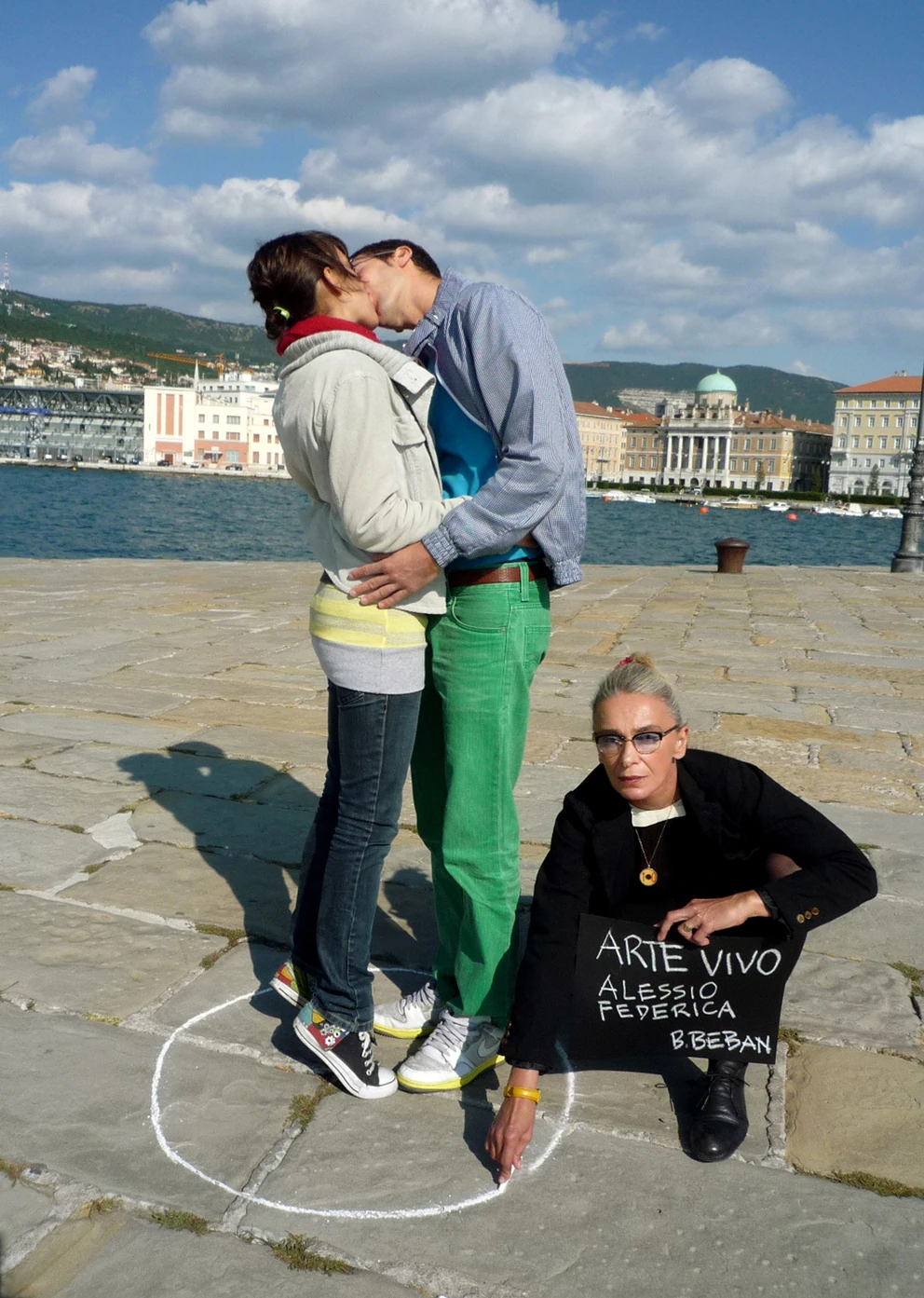
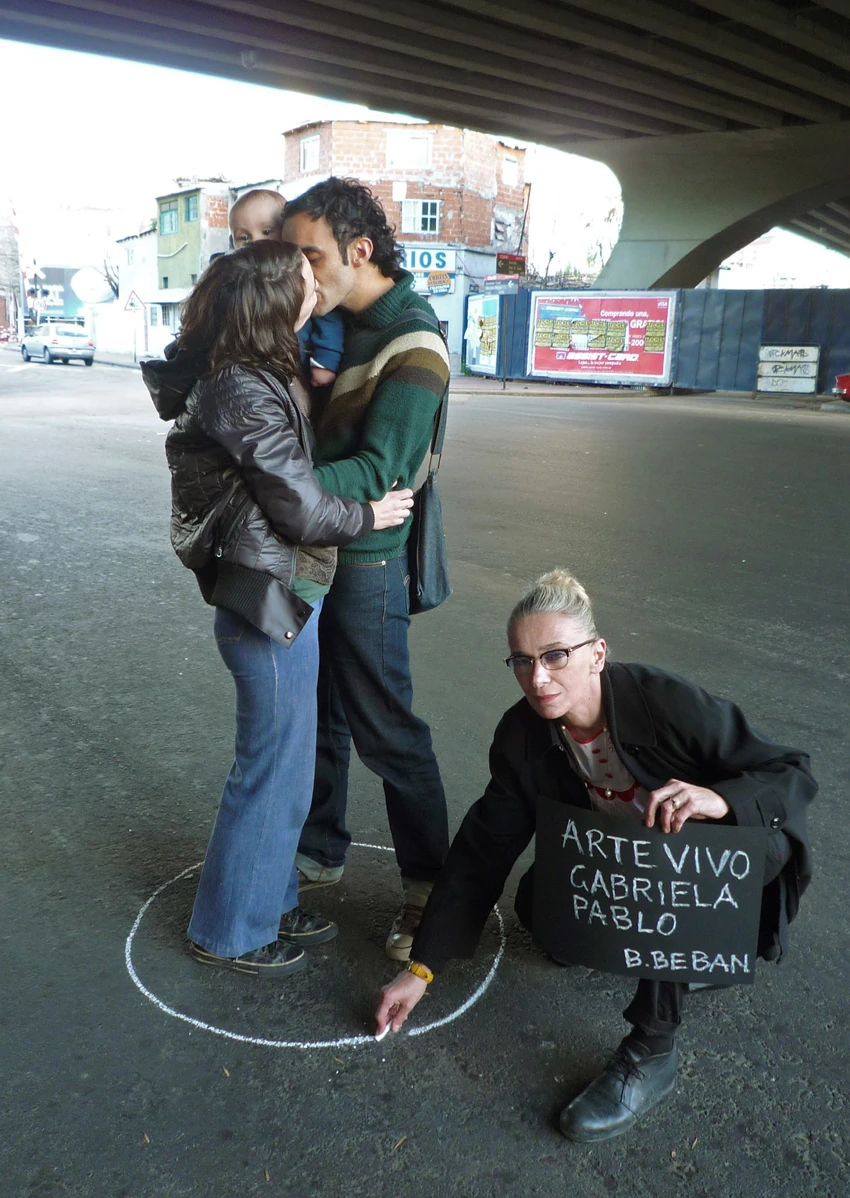
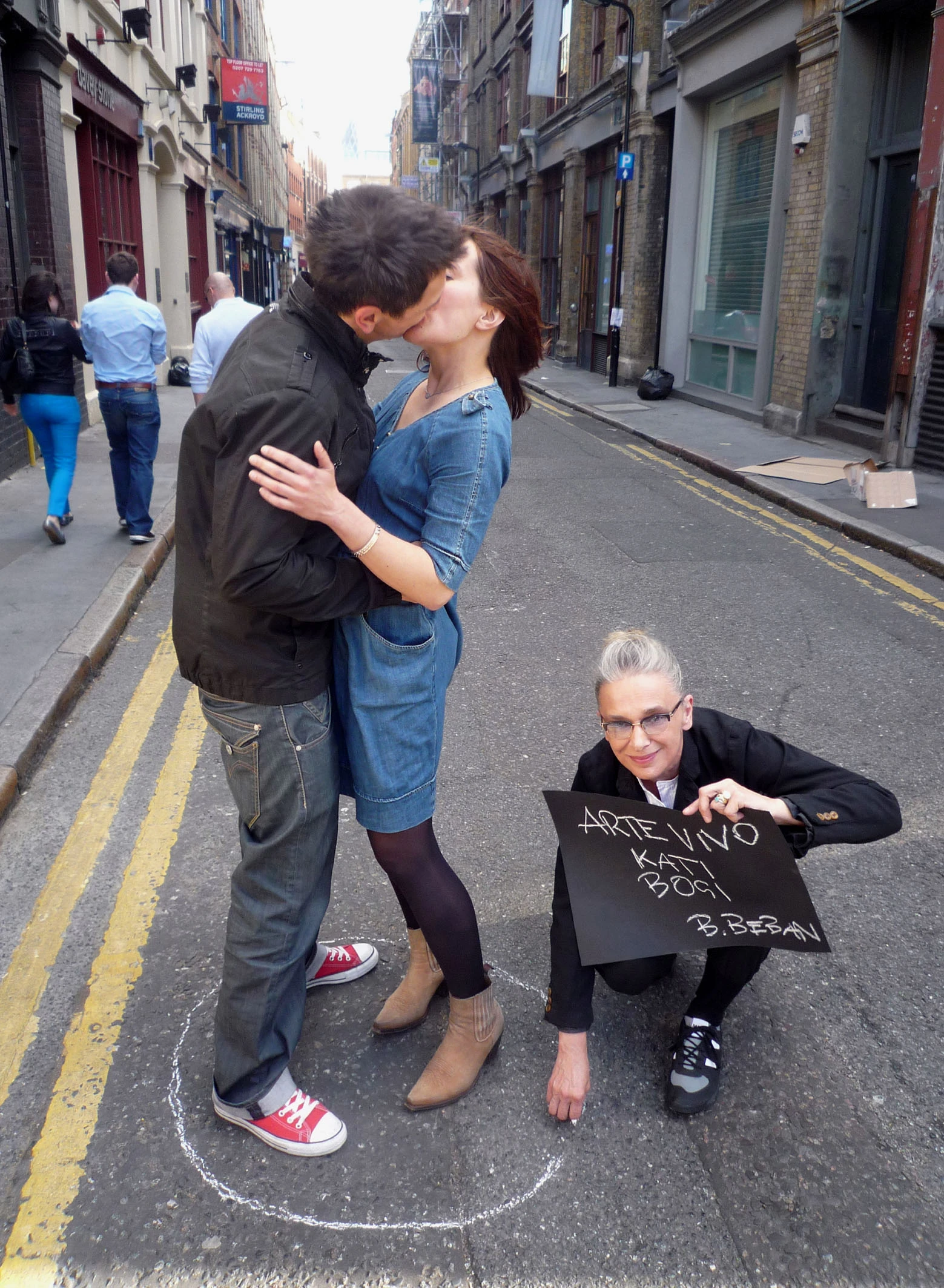
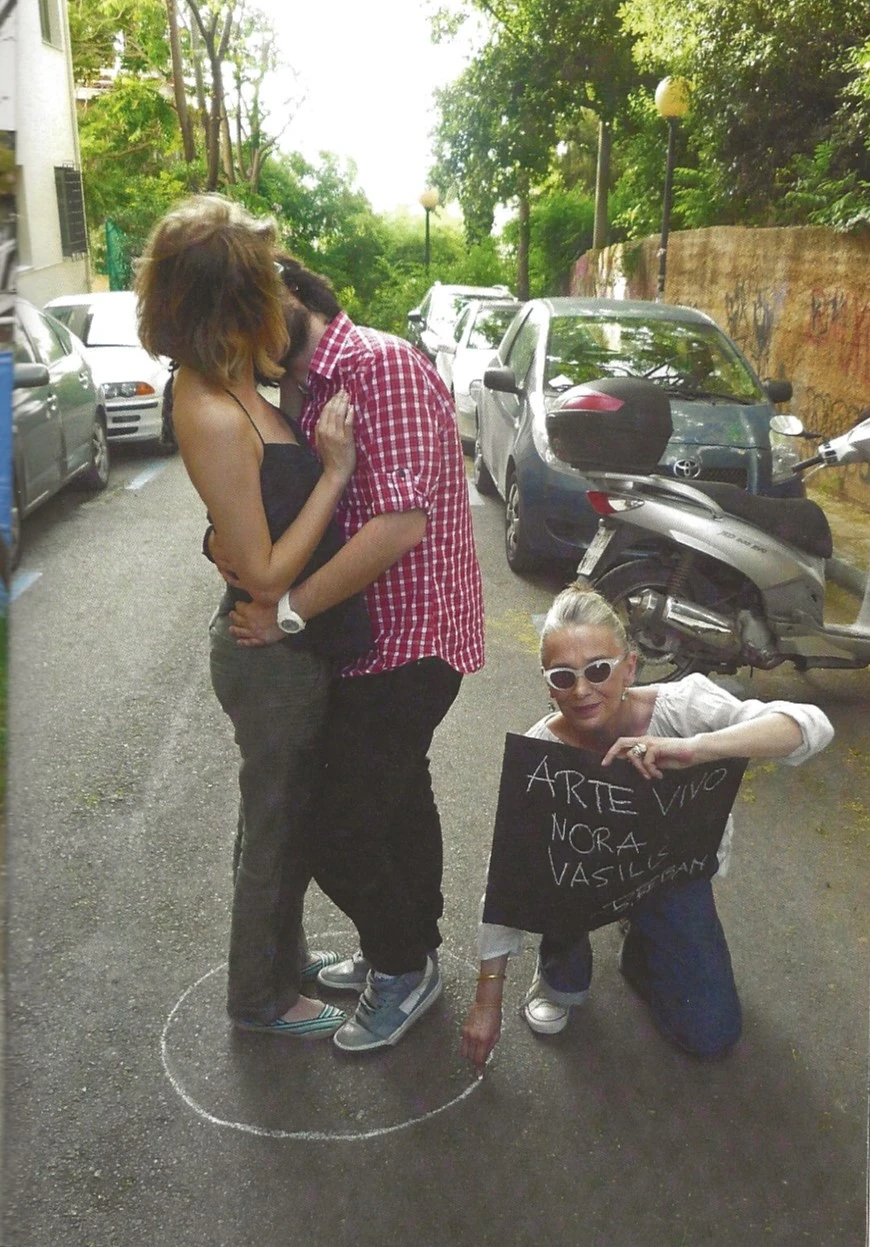
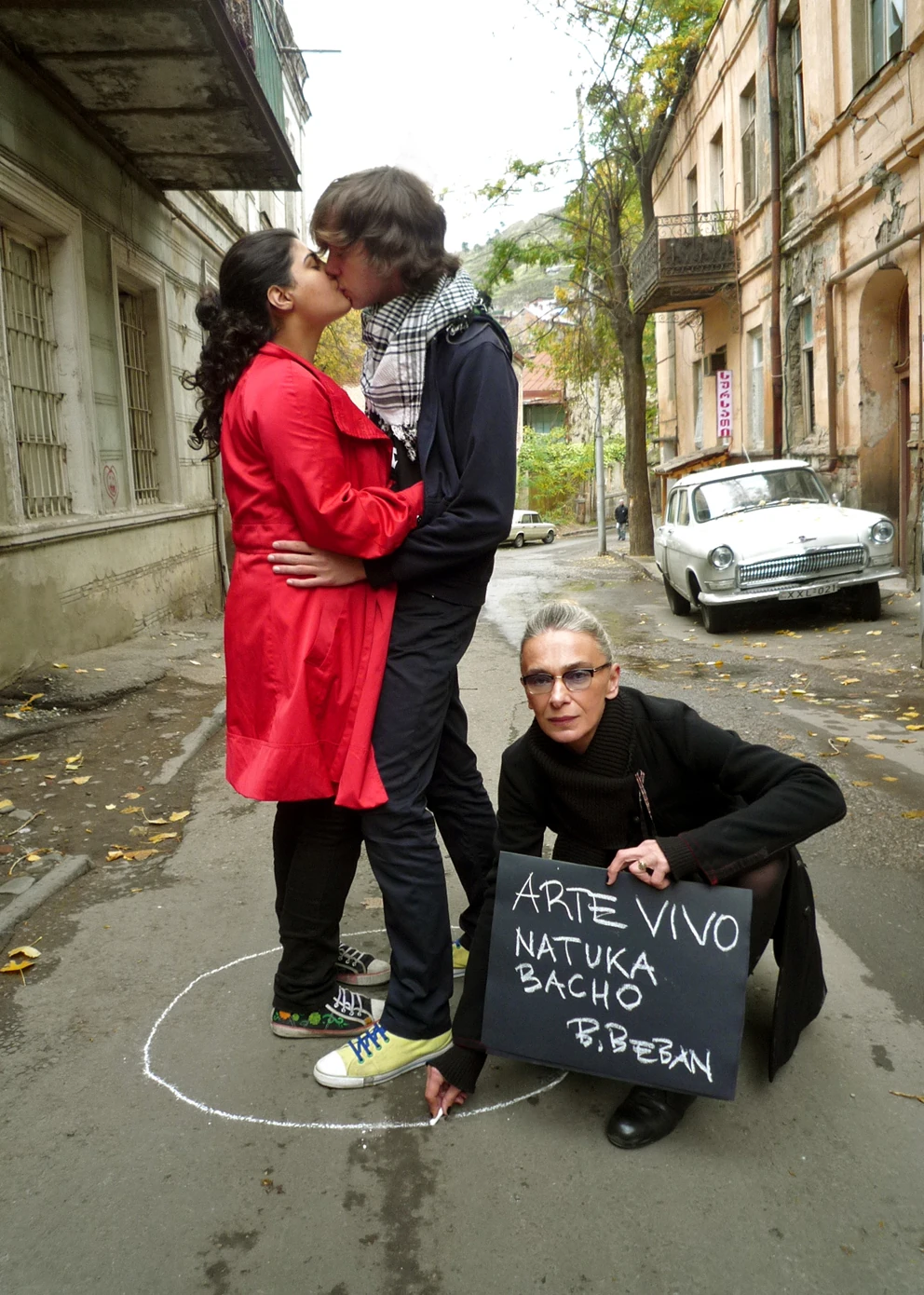
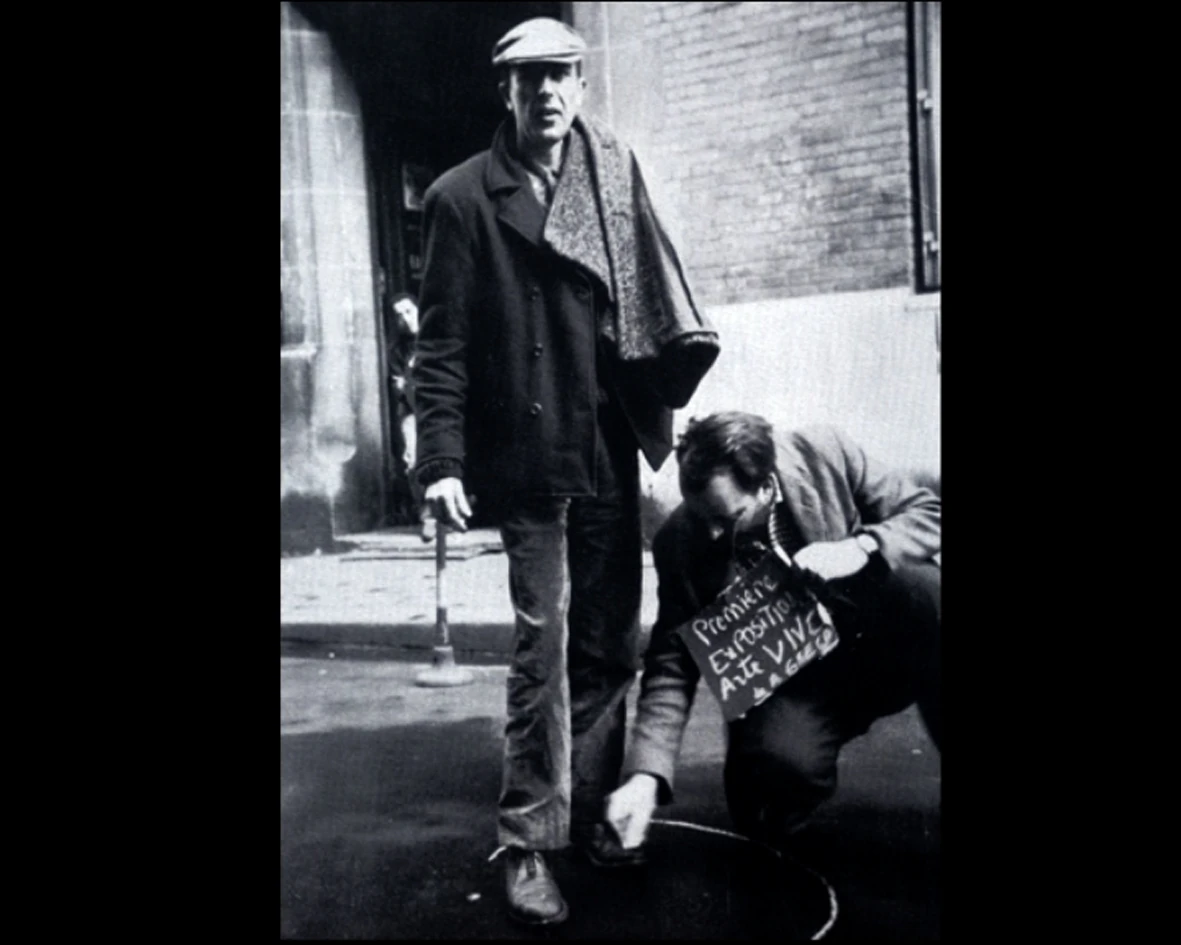
Production & Photography: Breda Beban
Photographed on location in Buenos Aires, Trieste, Tbilisi, London, Athens
Colour & b/w
Photographs size ca. 54 x 75 cm + frame
Editions: 5 + 2 a.e.